
Lymphoma: The UK's Most Common Blood Cancer, and Why Its Symptoms Are So Easy to Miss
A personal and evidence-based guide to lymphoma, covering symptoms, diagnosis, treatment, emergencies and life during and after cancer treatment.
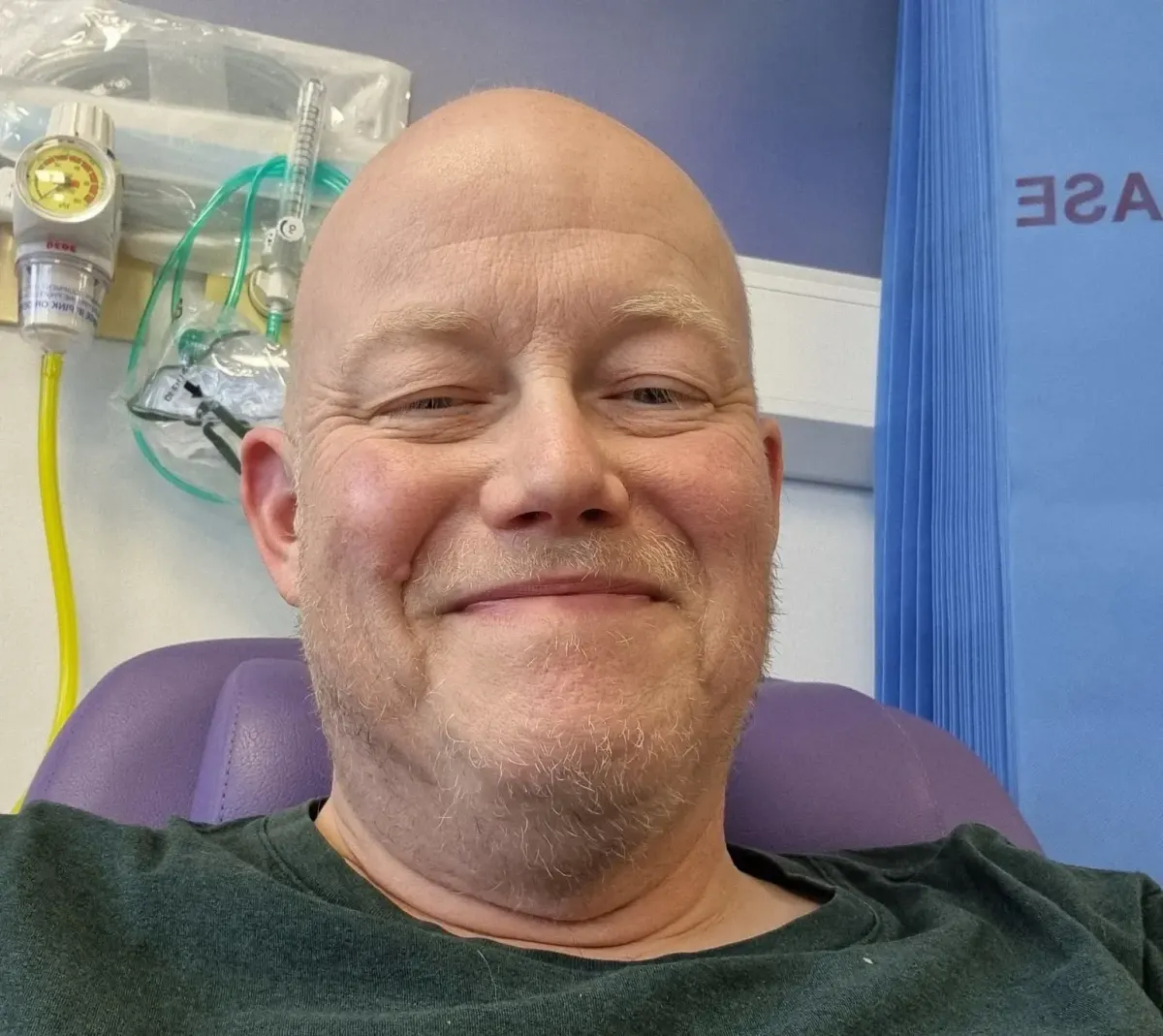
This post is personal. It is not what I normally write about.
In 2019 I was hit by a car while crossing the road. The scan showed six broken vertebrae. It also showed something nobody was looking for: my spleen was swollen. I saw haematology within five days and had another scan a week after that, which showed lymphoma. An operation confirmed the diagnosis. Follicular lymphoma, the slow-growing kind.
I went on watch and wait, and all was well. Then in June 2024 I started having problems. A wonderful A&E consultant insisted on a scan, and it showed active lymph nodes throughout my body, where before it had only been the upper half. My consultant said we might have to look at treatment soon and that in the meantime we would monitor more closely. By October my right leg was swollen and the night sweats had started. I had a biopsy. Three days later came the phone call. My follicular lymphoma had become an aggressive diffuse large B cell lymphoma, could I come into hospital that day for steroids, and my chemotherapy would start the following Wednesday.
This article covers everything I was looking up in the weeks that followed. I am someone who likes data, who needs to know what is happening to me. If that is you, I hope it helps. It is factual and based on research, not miracle cures, and it gives numbers, including survival rates. You may not want that. I did.
Why Constellation Training is publishing this
Constellation Training writes about first aid at work, health and safety compliance and mental health. This article sits outside that. It is here because lymphoma is the most common blood cancer in the UK,1 because its early symptoms are the kind that people talk themselves out of, and because September is Blood Cancer Awareness Month, with World Lymphoma Awareness Day falling on 15 September.1
There is no course being sold at the end of this. What follows is an account of what lymphoma is, what it does, how it is found, how it is treated and what happens afterwards, written for people who have no medical background and want a straight answer. Where a claim rests on a statistic, a guideline or a piece of legislation, the source is cited so that you can check it yourself.
Two parts of the article do connect directly to what we teach. Neutropenic sepsis, a complication of chemotherapy, is a medical emergency that usually begins at home rather than in hospital, and most people have never heard of it. And a cancer diagnosis brings a set of legal duties for employers under the Equality Act 2010 that many managers are unaware of. Both are covered below.
What lymphoma is
Lymphoma is a cancer of the lymphocytes, a type of white blood cell that forms part of the immune system.1 Lymphocytes travel around the body through the lymphatic system, a network of vessels, nodes and organs that runs alongside the bloodstream and drains fluid from the tissues. Lymph nodes are the small filtering stations along that network, clustered most densely in the neck, armpits, groin, chest and abdomen. The spleen, thymus, tonsils and the lymphoid tissue lining the gut are all part of the same system.
In lymphoma, a lymphocyte acquires genetic changes that stop it dying when it should and cause it to multiply. Its descendants accumulate, most often in lymph nodes, which is why the commonest sign of lymphoma is a lump. Because lymphocytes circulate, the disease is not confined to one site in the way a breast or bowel tumour is, and it can appear in more than one place at once or in organs outside the lymphatic system altogether.
Lymphoma is classed as a blood cancer because it arises from a blood cell, even though it usually presents as swollen glands rather than as an abnormal blood count.1 This is one reason it is missed: a routine full blood count is often entirely normal in someone who has lymphoma, because the abnormal cells are sitting in lymph nodes rather than circulating.2 Blood tests can point towards further investigation, but they do not diagnose lymphoma.
Lymphocytes come in two main varieties, B cells and T cells. B cells make antibodies; T cells do a range of jobs including killing infected cells and regulating the rest of the immune response. Most lymphomas in the UK are B cell lymphomas.3 Which cell type is involved, and how mature that cell was when it went wrong, largely determines which of the many lymphoma subtypes a person has.
What is the difference between Hodgkin and non-Hodgkin lymphoma?
The difference is a single cell type seen down a microscope. If a pathologist examining the biopsy finds Reed-Sternberg cells, which are abnormally large cells with two or more nuclei, the diagnosis is Hodgkin lymphoma. If they are absent, the diagnosis falls into the very large category of non-Hodgkin lymphoma.3
That sounds like a technicality, and in one sense it is. In practice it matters enormously, because the two behave differently and are treated differently.3 Hodgkin lymphoma tends to spread in a predictable pattern from one group of nodes to the next, is more common in younger adults, and responds well to treatment. Non-Hodgkin lymphoma is not one disease at all. It is an umbrella term covering more than sixty distinct subtypes, which between them range from cancers that will never need treating to cancers that will kill within weeks if untreated.1
Non-Hodgkin lymphomas are usually sorted into low grade and high grade. Low grade, sometimes called indolent, means the cells divide slowly. Follicular lymphoma and marginal zone lymphoma are common examples. These often cause few symptoms, are frequently advanced by the time they are found, and are usually not curable with current treatment, but people can live with them for many years. Low grade does not mean permanently slow. NICE records that once follicular lymphoma has become refractory to several lines of treatment, it is no longer considered a slow-growing disease.4 That is not the same thing as transformation into a high grade lymphoma, which is a distinct process described later in this article. High grade, sometimes called aggressive, means the cells divide fast. Diffuse large B cell lymphoma, the single commonest lymphoma subtype, is the standard example. It makes people ill quickly, but it is treated with curative intent and a substantial proportion of people are cured.5
The counter-intuitive part, and the part that causes most confusion for patients and families, is that the aggressive lymphomas are often the ones with the better long-term prospects, precisely because they can be eradicated. A slow-growing lymphoma that never fully goes away can be managed for decades, but it tends to come back.
How common is lymphoma in the UK?
Cancer Research UK records around 13,700 new cases of non-Hodgkin lymphoma in the UK each year, which is thirty-eight people a day, and around 2,200 new cases of Hodgkin lymphoma, which is roughly six a day.6,7 Non-Hodgkin lymphoma is the eighth most common cancer in the UK and accounts for around three per cent of all new cancer diagnoses.6 Hodgkin lymphoma accounts for about one per cent.7
Lymphoma Action states that someone in the UK is diagnosed with lymphoma every twenty-eight minutes, which it puts at more than fifty people a day and around 18,000 a year.1,8 That is higher than the registry totals above, and the two are not directly comparable. Lymphoma Action footnotes its figure as covering Hodgkin lymphoma, non-Hodgkin lymphoma and chronic lymphocytic leukaemia together.8 Cancer Research UK counts chronic lymphocytic leukaemia as a leukaemia, which is where the difference comes from. Neither is wrong. Chronic lymphocytic leukaemia and small lymphocytic lymphoma are the same underlying disease, named as a leukaemia when the abnormal cells are mainly in the blood and as a lymphoma when they are mainly in the lymph nodes. Any figure you see for lymphoma should be read with that classification question in mind rather than treated as a single fixed number.
Lymphoma is overwhelmingly a disease of later life. Almost two-fifths of new non-Hodgkin lymphoma diagnoses in the UK are in people aged seventy-five and over, and incidence peaks between eighty and eighty-four.6 Data from the UK's Haematological Malignancy Research Network, which tracks every lymphoid cancer diagnosed in a population of around four million people, puts the median age at diagnosis across lymphoid malignancies at just under seventy.9
But that average conceals the thing that makes lymphoma unusual. Unlike most cancers, it occurs at every age. Lymphoma is one of the most common cancers in teenagers and young adults aged fifteen to twenty-four, accounting for around one in five cancers diagnosed in that age group,10 and it accounts for around one in ten childhood cancers.1 Hodgkin lymphoma in particular has a distinctive twin-peaked age distribution, with one cluster in young adulthood and another in later life. A twenty-two-year-old who finds a lump in their neck is not being paranoid to want it looked at.
Lymphoma is more common in men than women in almost every subtype.9 Non-Hodgkin lymphoma incidence rose by about a quarter in the UK between the early 1990s and the most recent figures, though rates have fallen by around a tenth over the last decade.6 Around 5,100 people die of non-Hodgkin lymphoma each year in the UK and around 320 of Hodgkin lymphoma.6,7
What are the symptoms of lymphoma?
The commonest symptom of lymphoma is a painless swollen lymph node, usually in the neck, armpit or groin, that does not go away.2 Other common symptoms are fatigue, unexplained weight loss, drenching night sweats, itching without a rash, fever and infections that keep coming back or take an unusually long time to clear.1,2
Every one of those has a hundred more likely explanations. That is precisely the problem.
Swollen lymph nodes
Lymph nodes swell whenever the immune system is working, which is most of the time. A cold, a throat infection, tonsillitis, an infected cut, glandular fever, eczema, rheumatoid arthritis and several common medicines can all cause them to enlarge.2 The overwhelming majority of swollen glands have nothing to do with cancer.
Lymphoma Action describes the nodes typical of lymphoma as smooth, round, rubbery in texture, mobile when pressed, and usually painless, though they can ache if they press on a nerve or grow quickly.2 They can become very large. Nodes deep in the chest or abdomen cannot be felt at all and are found only on a scan.
No GP can tell whether a node is lymphomatous by feeling it, and neither can you.2 What distinguishes a node worth investigating is not how it feels but how it behaves over time. A gland that swells with an obvious infection and settles within a couple of weeks is doing what it is supposed to. A gland that is still there after two to three weeks, or that is getting bigger, is a reason to see a GP.2
There is one oddity worth knowing about. In up to five in every hundred people with Hodgkin lymphoma, affected lymph nodes become painful shortly after drinking alcohol.2 It is uncommon, but it is specific enough that the National Institute for Health and Care Excellence lists alcohol-induced lymph node pain as a symptom GPs should take into account when deciding whether to refer someone on a suspected cancer pathway for Hodgkin lymphoma.11
What are B symptoms?
B symptoms are a specific trio: unexplained weight loss, drenching night sweats and fever.2 They are grouped together because their presence changes how doctors classify and treat the disease, and they are more common in Hodgkin lymphoma and in high grade non-Hodgkin lymphoma than in low grade disease.2
The word drenching is doing real work in that definition. Night sweats that mean lymphoma are not feeling a bit warm or throwing off the duvet. People describe soaking through nightclothes and bedding, sometimes needing to change both, night after night.2 Fevers in lymphoma are usually low grade and intermittent, coming and going without an obvious infection behind them.2 Weight loss has a precise threshold in this context: for staging purposes it means losing more than a tenth of your total body weight over six months without trying to.12
In the staging system, the letter B is added to a person's stage if any of these are present, and the letter A if none of them are. It is not a measure of how bad the disease is in itself, but it is prognostically relevant and it influences treatment decisions.
Itching, fatigue and the symptoms people dismiss
Itching without a rash is a genuinely under-recognised symptom of both Hodgkin and non-Hodgkin lymphoma.2 It is thought to be caused by chemicals released by the immune system irritating nerve endings in the skin. It is often worse in the heat and at night in bed, and it can burn rather than itch.2 Lymphoma Action advises speaking to a GP about itching that has lasted more than two weeks or that affects the whole body.2
Fatigue in lymphoma is not ordinary tiredness. It is exhaustion out of proportion to activity, the feeling of being washed out after doing very little, and it does not resolve with rest.2 Because it is so unspecific, and because it accumulates gradually, people routinely attribute it to work, age, poor sleep or stress for months before mentioning it to anyone.
Where the lymphoma is determines what else it does. Nodes in the chest can press on the airway, causing a dry cough, breathlessness, noisy breathing or a sense of pressure behind the breastbone, often worse lying down.2 Lymphoma Action advises seeing a GP about a cough or breathlessness lasting more than three weeks.2 Nodes or disease in the abdomen can cause bloating, early fullness, loss of appetite or pain under the left ribs if the spleen is enlarged.2 The gut is the most common site for lymphoma arising outside the lymphatic system altogether.2
Lymphoma can also cause anaemia, blockage of lymphatic drainage leading to swelling of an arm or leg, and an increased risk of blood clots.2 None of these is specific to lymphoma. All of them warrant investigation on their own account.
When to make a GP appointment
Book an appointment if any of the following apply. None of these means you have lymphoma. All of them mean the question is worth answering.
- A lump anywhere, but particularly in the neck, armpit or groin, that has not gone within two to three weeks, or that is getting bigger.2
- Night sweats that soak your nightclothes or bedding, happening repeatedly.2
- Weight loss you have not been trying to achieve.2
- Itching without a rash lasting more than two weeks, or itching over your whole body.2
- A cough or breathlessness lasting more than three weeks.2
- Fevers that keep returning without an obvious infection.2
- Infections that are more severe than usual, or that you cannot shake off.2
- Exhaustion that is out of proportion to what you have been doing and does not improve with rest.2
It helps to write the symptoms down before the appointment, including when they started and how they have changed, and to take that with you.2 If you have several of these, say so explicitly rather than mentioning only the one that bothers you most. The pattern is more informative than any single item.
Why lymphoma is so often diagnosed late
Blood cancers are diagnosed later than most other cancers in the UK, and the data on this is not ambiguous. Around thirty-one per cent of people with blood cancer visit their GP three or more times before being diagnosed, compared with seven per cent for breast cancer.13 Around sixteen per cent wait at least three months between first thinking something might be wrong and seeking medical attention, and roughly one in thirty waits more than a year.13 Around thirty per cent of blood cancer cases are diagnosed after presenting to the NHS as an emergency.13
Blood Cancer UK reports that half of UK adults cannot name a single blood cancer symptom.14 For Hodgkin lymphoma specifically, one in five cases diagnosed in England in 2019 came through an emergency presentation rather than a planned referral.7
There are three reasons for this, and they compound each other. The symptoms are individually unremarkable and each has a far more common benign explanation. The disease can arise anywhere, so there is no single organ-specific pathway of the kind that exists for breast or bowel cancer. And the initial screening test most people expect to be definitive, a blood test, is often normal.2
The consequence is that patients delay presenting because they do not think it is serious, and clinicians reasonably investigate the likelier explanations first. Neither party is behaving unreasonably. The system still produces the outcome.
NICE guidance for GPs in England and Wales says to consider a suspected cancer pathway referral for non-Hodgkin lymphoma in an adult presenting with unexplained lymphadenopathy or an enlarged spleen, taking into account any associated fever, night sweats, breathlessness, itching or weight loss.11 The equivalent recommendation for Hodgkin lymphoma covers unexplained lymphadenopathy and adds alcohol-induced lymph node pain to the list.11 For children and young people, the guidance is more urgent: a very urgent referral for specialist assessment within forty-eight hours.11
The word to notice in all of these recommendations, for children as well as adults, is consider. None of them is a mandatory referral trigger in the way that certain other symptom combinations are. What changes for children and young people is the speed expected once a referral is made, not the strength of the instruction to make one. That is a defensible clinical judgement given how common swollen glands are, but it is also part of why telling a GP about all of your symptoms, rather than just the lump, matters.
Once a referral is made, the NHS in England measures performance against the Faster Diagnosis Standard, which requires that a patient referred urgently for suspected cancer is either given a diagnosis or has cancer ruled out within twenty-eight days.15 The operational target rose to eighty per cent in March 2026.15 In June 2026, seventy-nine per cent of people in England were diagnosed or had cancer ruled out within twenty-eight days.16 The related sixty-two day standard, covering referral to the start of first treatment, has a target of eighty-five per cent and stood at 69.9 per cent in the same month.16
How lymphoma is diagnosed
Lymphoma is diagnosed by biopsy. Everything else narrows the field; only tissue gives an answer.
The preferred approach is an excision biopsy, in which a whole lymph node is removed, usually under local or general anaesthetic. A whole node lets the pathologist see the architecture of the tissue as well as the individual cells, and architecture is central to classifying lymphoma. A needle biopsy taking a core of tissue is sometimes used instead, particularly for nodes that are hard to reach, but it gives less information and occasionally has to be repeated.
The sample then goes through a battery of tests. Immunohistochemistry identifies which proteins are present on the surface of the abnormal cells, which establishes whether they are B cells or T cells and narrows the subtype. Genetic and molecular tests look for specific chromosomal rearrangements, some of which change treatment. This takes time, and the wait between biopsy and result is one of the hardest parts of the process for most people.
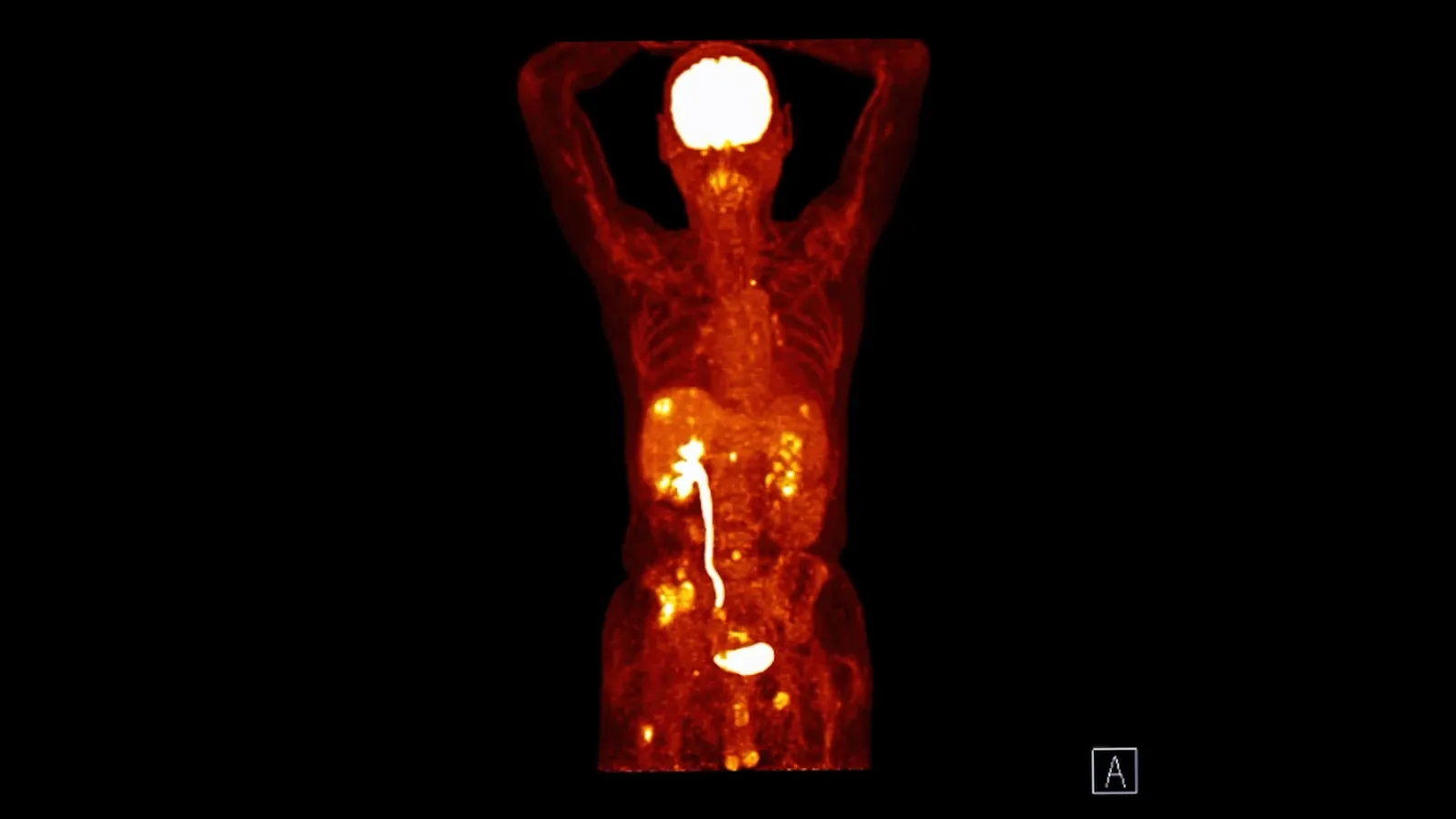
Alongside the biopsy, staging investigations establish how far the disease has spread. A PET-CT scan, which combines an anatomical CT image with a functional scan showing where glucose is being consumed most avidly, is the standard staging tool for lymphomas that take up the tracer, which includes Hodgkin lymphoma and aggressive B cell lymphomas.17 A bone marrow biopsy, taken from the back of the pelvis, may be done to check whether the marrow is involved, though PET-CT has reduced how often this is needed.
Blood tests are done, but for context rather than diagnosis: full blood count, kidney and liver function, lactate dehydrogenase as a marker of cell turnover, and tests for hepatitis B, hepatitis C and HIV. These are not looking for a cause. They affect treatment planning, and in the case of hepatitis B they matter directly, because some lymphoma treatments can reactivate a past infection.
How lymphoma is staged
Lymphoma is staged using the Lugano classification, a modern revision of the older Ann Arbor system that formally incorporates PET-CT.17 There are four stages, and unusually for cancer staging they describe geography rather than size.
Stage I means a single lymph node region or a single organ outside the lymphatic system. Stage II means two or more node regions on the same side of the diaphragm. Stage III means node regions on both sides of the diaphragm. Stage IV means widespread involvement of one or more organs outside the lymphatic system, such as the bone marrow, liver or lung.17 The letters A and B are added to indicate the absence or presence of B symptoms, though under the Lugano revision this suffix is formally required only for Hodgkin lymphoma.17
Two things about lymphoma staging routinely surprise people. The first is that stage IV lymphoma does not carry the meaning that stage IV carries in most solid tumours. Because lymphocytes circulate by design, widespread disease is common at presentation and is often entirely curable. A newly diagnosed person told they have stage IV diffuse large B cell lymphoma is being told something serious, but they are not being told what a person with stage IV lung cancer is being told.
The second is that for treatment purposes the four stages effectively collapse into two. Stages I and II are managed as limited disease and stages III and IV as advanced disease, with prognostic scoring systems such as the International Prognostic Index doing more of the work of predicting outcome than the stage number itself.17
What causes lymphoma
In most cases, nobody knows. This is an unsatisfying answer, and it is the honest one.
Cancer Research UK estimates that around three per cent of non-Hodgkin lymphoma cases in the UK are preventable.18 For the other ninety-seven per cent, there is no identifiable avoidable cause. Age is the dominant risk factor, and age is not a behaviour.
Hodgkin lymphoma is different. Cancer Research UK estimates that around forty per cent of Hodgkin lymphoma cases in the UK are preventable, and attributes that entire forty per cent to infections.19 The Epstein-Barr virus, which causes glandular fever and which most of the population carries harmlessly for life, is implicated in a substantial proportion of Hodgkin lymphomas. Carrying the virus does not mean you will develop Hodgkin lymphoma; the overwhelming majority of people who have had glandular fever never do.
The clearest identified risk factor across lymphoma generally is a suppressed or dysregulated immune system. That includes untreated HIV infection, immunosuppressive drugs taken after an organ transplant, and some long-term autoimmune conditions.18 A small number of lymphomas have a direct infectious driver that can be treated: gastric MALT lymphoma is frequently caused by Helicobacter pylori infection and can sometimes be cured by eradicating the bacterium with antibiotics.
Family history confers a modestly increased risk, but lymphoma is not an inherited disease in the way that some breast and bowel cancers are, and there is no screening programme and no genetic test offered to relatives.
It is worth stating plainly that there is no good evidence that lymphoma is caused by stress, by diet or by mobile phones. For most people with lymphoma, there is no behaviour or decision they can point to as the reason they developed it. People search for a reason after a diagnosis, and there usually is not one. That is a difficult thing to sit with, but inventing a cause is worse.
How lymphoma is treated
There is no single treatment for lymphoma, because there is no single lymphoma. Treatment depends on the subtype, the grade, the stage, the person's age and general fitness, and what the aim is: cure in some cases, long-term control in others.
Active monitoring, or watch and wait
For some low grade lymphomas that are not causing problems, treatment does not have to start straight away. Active monitoring, often called watch and wait, means regular clinic reviews and blood tests, with treatment beginning only when the disease starts to cause trouble.
That is not the only option, and this is a point the article would be misleading if it skipped. For advanced stage follicular lymphoma that is not causing troublesome symptoms, Lymphoma Action describes two approaches that a medical team will discuss: active monitoring, or a short course of the antibody rituximab given once a week for four weeks.20 NICE goes further than that. Its non-Hodgkin lymphoma guideline recommends offering rituximab induction therapy to people with advanced stage asymptomatic follicular lymphoma, and notes that as of June 2026 this remains an off-label use of the drug.21 Which approach is right depends on the lymphoma, the person and a conversation with the haematology team.
Follicular lymphoma is the commonest low grade lymphoma, with 2,404 diagnoses recorded in England in 2022 and five-year survival of around ninety per cent.4 Clinical experts advising NICE estimated that fewer than a quarter of people with follicular lymphoma go on to receive a third or later line of treatment.4 Patient experts told the same committee that around a fifth have aggressive disease that repeatedly returns and requires multiple treatments.4
Active monitoring is the single hardest thing for patients to accept, and it is not a rationing decision. It rests on repeated randomised evidence that starting treatment early in asymptomatic, low tumour burden disease does not make people live longer. The definitive UK trial, led by Kirit Ardeshna and reported with fifteen years of follow-up by Michael Northend and colleagues in The Lancet Haematology in 2025, randomised people with advanced stage, asymptomatic, low tumour burden follicular lymphoma between watchful waiting and early rituximab. Early rituximab substantially delayed the point at which new treatment was needed. It made no difference to overall survival, and no difference to the rate at which the disease transformed into an aggressive lymphoma.22
In other words, treating early bought time before the next treatment, but it did not buy life. Given that all lymphoma treatment carries toxicity and some of it carries long-term risk, the case for waiting is a real clinical case rather than a fudge.
That does not make it easy. Living with a known, untreated cancer, attending scans, and being told that waiting is a legitimate choice is a specific and well-documented source of anxiety.23 Anyone on active monitoring who is struggling with it should say so to their clinical nurse specialist, because that is a treatable problem in its own right.
Chemotherapy and immunotherapy
Many of the common B cell lymphomas that need treating are treated with a combination of chemotherapy drugs given alongside an antibody therapy, usually in cycles three weeks apart over roughly four to six months. That is not universal. Hodgkin lymphoma, the T cell lymphomas and several increasingly targeted pathways look different, and the sections below deal with them separately.
The long-standing standard regimen for diffuse large B cell lymphoma is R-CHOP: rituximab, an antibody targeting the CD20 protein on B cells, combined with cyclophosphamide, doxorubicin, vincristine and prednisolone. R-CHOP cures around sixty per cent of people with diffuse large B cell lymphoma.5
That figure is both remarkable and insufficient, and improving on it has been the central problem in lymphoma research for two decades. The POLARIX trial replaced vincristine with polatuzumab vedotin, an antibody-drug conjugate that delivers a cell-killing agent directly to B cells carrying the CD79b protein. Two-year progression-free survival was 76.7 per cent with the new regimen compared with 70.2 per cent with R-CHOP.5 NICE recommends polatuzumab vedotin with rituximab, cyclophosphamide, doxorubicin and prednisolone, shortened to Pola-R-CHP, for untreated diffuse large B cell lymphoma in adults with an International Prognostic Index score of two to five.24 European guidelines published in 2025 treat six cycles of Pola-R-CHP as the preferred first-line option for that group, with R-CHOP an acceptable alternative where Pola-R-CHP is not available.25
Classical Hodgkin lymphoma has traditionally been treated with ABVD: doxorubicin, bleomycin, vinblastine and dacarbazine, with the number of cycles and the use of radiotherapy guided by an interim PET scan. NICE still describes ABVD as the usual treatment, but since May 2025 it has also recommended brentuximab vedotin combined with doxorubicin, dacarbazine and vinblastine as an option for adults with untreated stage 3 or 4 CD30-positive Hodgkin lymphoma, on evidence that it improves both the time before the cancer worsens and how long people live compared with ABVD.26 NICE estimates around 800 people a year in England could be eligible.27 Follicular lymphoma, when it needs treating, is usually treated with an anti-CD20 antibody combined with chemotherapy, and often followed by a period of antibody maintenance.
Radiotherapy, stem cell transplant and cellular therapies
Radiotherapy is used for localised disease, sometimes alone in early stage lymphoma and sometimes to consolidate after chemotherapy. Modern radiotherapy fields are far smaller than the wide-field techniques used in the 1970s and 1980s, which matters considerably for late effects.
A stem cell transplant, most often using the person's own harvested stem cells, allows much higher doses of chemotherapy to be given than the bone marrow could otherwise survive. It has historically been the mainstay of treatment for lymphoma that comes back after first-line chemotherapy, given after salvage chemotherapy in people fit enough to tolerate it. That is no longer the whole picture, because what happens at relapse now depends heavily on how quickly the lymphoma returned.
The most significant development of the last decade is CAR T-cell therapy. A person's own T cells are collected, genetically engineered to recognise a target on the lymphoma cells, multiplied and infused back. NICE recommended axicabtagene ciloleucel for routine NHS use in adults with relapsed or refractory diffuse large B cell lymphoma and primary mediastinal large B cell lymphoma after two or more lines of therapy in January 2023. Among the 318 people treated through the Cancer Drugs Fund in England between December 2018 and October 2021, median overall survival was 28.5 months and forty-five per cent were alive at three years, against an estimated 6.4 months with salvage chemotherapy.28 In June 2026 NICE also recommended lisocabtagene maraleucel for routine NHS use in adults with relapsed or refractory diffuse large B cell lymphoma or primary mediastinal large B cell lymphoma after two or more lines of systemic treatment, so there are now two CAR T-cell options at this point in the pathway as well.29
CAR T-cell therapy has since moved earlier in the pathway. In June 2023 NICE also recommended axicabtagene ciloleucel, through the Cancer Drugs Fund, for adults with diffuse large B cell lymphoma that has relapsed within twelve months of first-line chemoimmunotherapy, or that did not respond to it at all, where a stem cell transplant would be suitable.30 NICE also recommends a second CAR T-cell treatment in this position, lisocabtagene maraleucel or liso-cel, for adults with large B cell lymphoma that is refractory to first-line chemoimmunotherapy or relapses within twelve months of it, where an autologous stem cell transplant would otherwise be suitable.31 Liso-cel is routinely commissioned; axicabtagene ciloleucel in this same position remains a Cancer Drugs Fund recommendation.30,31 The practical effect is that early relapse and refractory disease, which used to carry the worst outlook of any second-line group, are now often treated with CAR T-cell therapy rather than salvage chemotherapy and transplant. Which route a person takes depends on how soon the lymphoma returned, their fitness, the subtype and their eligibility, and it is a decision made by a specialist multidisciplinary team rather than a fixed algorithm.
Bispecific antibodies are the newest arrival. These are engineered antibodies that grip a lymphoma cell with one arm and a T cell with the other, forcing the immune system into contact with the cancer. In March 2026, NICE recommended epcoritamab for adults with relapsed or refractory follicular lymphoma after two or more lines of systemic treatment, with treatment stopping after three years or earlier on progression.32 It is the first bispecific antibody NICE has recommended for follicular lymphoma. NICE puts the eligible population in England at 307 people, of whom around 215 are expected to start treatment each year.33
None of this is a reason for complacency about relapsed disease, which remains difficult. It is a reason why survival statistics compiled a decade ago may understate what is achievable now for the particular subtypes and settings these treatments cover.
Transformation: when a slow lymphoma turns fast
One of the specific risks of low grade lymphoma is transformation, in which an indolent lymphoma changes its biological character and becomes an aggressive one. The usual pattern is follicular lymphoma transforming into diffuse large B cell lymphoma.
Lymphoma Action puts the annual risk at around two to three people in every hundred with follicular lymphoma, and states that over ten years it will transform in up to a third of people with the disease.34
Transformation typically announces itself with a change in tempo: nodes that had been stable for years start growing quickly, B symptoms appear, or the person becomes unwell in a way they had not been before. It is diagnosed by taking a fresh biopsy, because the only way to know that the disease has changed is to look at it again. Anyone with a known low grade lymphoma who notices a sudden change should contact their haematology team rather than waiting for the next scheduled appointment.
Transformed disease is treated as an aggressive lymphoma, and outcomes have improved substantially since the introduction of rituximab. Notably, the fifteen-year follow-up of the UK watchful waiting trial found no difference in transformation rates between people treated early and people monitored, which removes one of the intuitive arguments for treating asymptomatic disease straight away.22
The complications that are genuine emergencies
Most of what is written for the public about lymphoma concerns diagnosis and treatment. Rather less is written about the situations in which someone with lymphoma needs help immediately, which is the part that a first aider, a colleague, a manager or a family member is most likely to encounter.
Neutropenic sepsis
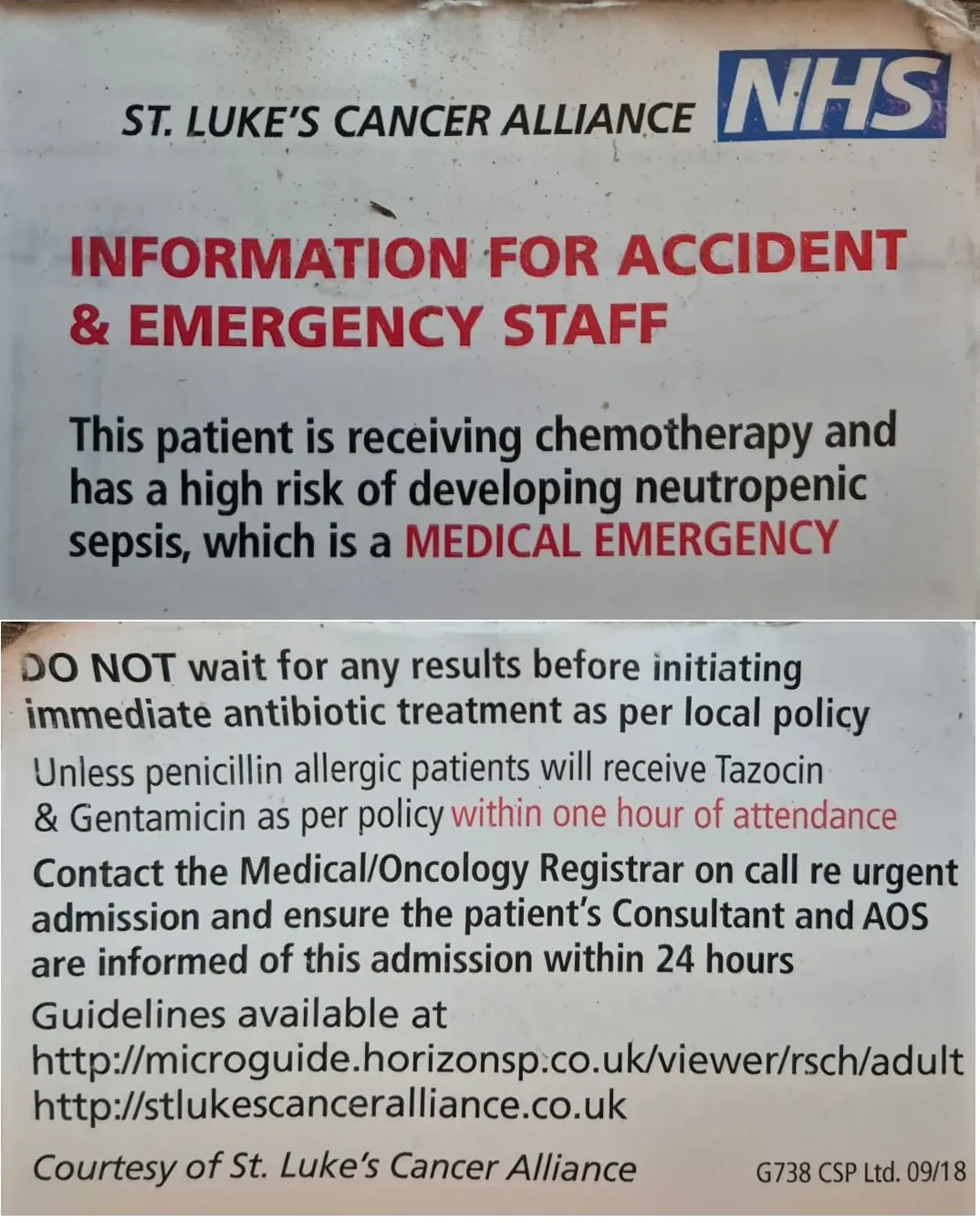
Chemotherapy suppresses the bone marrow's ability to produce neutrophils, the white cells that deal with bacterial infection. During the low point of each cycle, an infection that would normally be trivial can become life-threatening within hours. This is neutropenic sepsis, and NICE describes it as a medical emergency requiring immediate hospital investigation and treatment.35
NICE defines it as a neutrophil count of 0.5 x 10⁹ per litre or lower in a person having anticancer treatment, together with either a temperature above 38 degrees Celsius or other signs or symptoms consistent with clinically significant sepsis.36 Reported mortality in adults ranges between two and twenty-one per cent.35
The critical operational fact is this: because chemotherapy in the UK is given mostly as a day case or outpatient treatment, most episodes of neutropenic sepsis begin in the community rather than in hospital.35 The person is at home, or at work, or out somewhere, and they feel like they are coming down with something.
NICE requires that people receiving chemotherapy and their carers are told about the risk, the warning signs, and how and when to contact twenty-four hour specialist oncology advice and seek emergency treatment.35,36 In practice, UK chemotherapy units issue an alert card with a twenty-four hour telephone number on it. That card should be carried at all times during treatment and for some weeks afterwards, because it is the fastest route into the right part of the hospital.
Two things commonly go wrong. The first is that people wait, because feeling shivery and unwell does not feel like an emergency and nobody wants to make a fuss at two in the morning. The second is that a fever is assumed to be a necessary feature. It is not. NICE explicitly includes other signs or symptoms consistent with clinically significant sepsis alongside temperature, and a person with neutropenia can present with a low temperature rather than a high one.36
If someone on chemotherapy becomes unwell
This is not a wait and see situation. Act on it.
- Find their chemotherapy alert card and ring the twenty-four hour number on it. This is the first action, not the last.
- Do not wait for a fever. Feeling shivery, confused, unusually unwell, breathless or very cold all count.
- Do not wait for morning, and do not wait for a GP appointment.
- If the card cannot be found and the person is deteriorating, ring 999 and say clearly that they are receiving chemotherapy.
- Tell any clinician you speak to, at any stage, that the person is on chemotherapy. It changes the whole assessment.
This is exactly the kind of situation first aid training exists for: recognising that something is more serious than it looks and escalating without delay. It is also a good example of why a workplace first aider benefits from knowing when a colleague is undergoing treatment, if that colleague is willing to share it.
Superior vena cava obstruction, cord compression and blood clots
Lymphoma can also cause emergencies through sheer physical pressure.
Superior vena cava obstruction happens when enlarged nodes in the chest compress the large vein returning blood from the head, neck and arms to the heart. Lymphoma is one of the two commonest malignant causes. The hallmark is swelling of the face, often with distended veins in the neck and chest wall, breathlessness, cough, hoarseness, headache and a feeling of fullness in the head, typically worse on lying flat.37 Dizziness, confusion, visual change or noisy breathing suggest a life-threatening degree of obstruction and require emergency assessment.37 Lymphoma responds well to treatment, so this is often reversible, but it is not something to observe at home.
Spinal cord compression occurs when lymphoma presses on the spinal cord, and lymphoma is one of the malignancies most associated with it. New or worsening back pain in someone with lymphoma, particularly with weakness or numbness in the legs, difficulty walking, or any change in bladder or bowel control, is an emergency. Delay costs function permanently, and function that is lost is rarely recovered.
Blood clots are more common in people with lymphoma, and the two forms need different levels of escalation. A deep vein thrombosis typically presents as one limb becoming swollen, warm, red and painful.2 That needs same-day medical assessment.
A pulmonary embolism, where a clot travels to the lungs, is more urgent. NHS guidance is to go to accident and emergency, or call 999 for an ambulance, if breathing difficulty comes on suddenly.38 Sharp chest or upper back pain on breathing in, coughing up blood, a very fast heartbeat or collapse all belong in the same category. Do not drive yourself.38
Is lymphoma curable?
Many lymphomas are curable, and most of the rest are treatable for a long time. Around two in three people diagnosed with non-Hodgkin lymphoma in the UK are predicted to survive their disease for ten years or more, and more than eight in ten of those diagnosed with Hodgkin lymphoma.6,7
Both figures represent large improvements. In the 1970s, ten-year survival for non-Hodgkin lymphoma was 22.8 per cent and for Hodgkin lymphoma 48.6 per cent. By 2018 those figures were 64.6 per cent and 81.6 per cent respectively.6,7
The essential caveat is that headline survival figures for lymphoma are close to meaningless at an individual level, because they average across more than sixty diseases with radically different behaviour. The Haematological Malignancy Research Network's analysis of over 22,000 diagnoses found five-year net survival ranging from 97.4 per cent in hairy cell leukaemia to 31.6 per cent in T-cell prolymphocytic leukaemia.9 Subtype matters far more than the overall number.
Deprivation matters too, and uncomfortably so. Around sixty-nine per cent of people in England diagnosed with non-Hodgkin lymphoma in the least deprived group survive five years or more, compared with fifty-nine per cent in the most deprived group.6
It is also worth remembering that survival statistics are historical by construction. A ten-year survival figure describes people diagnosed more than ten years ago and treated with what was available then. For some subtypes and treatment settings, particularly relapsed aggressive B cell lymphoma and later-line follicular lymphoma, historical survival figures may understate what can now be achieved, because CAR T-cell therapy and bispecific antibodies have entered routine NHS use only in the last three years.28,32
Late effects and living beyond treatment
Finishing treatment is not the end of the story, and this is one of the least well-communicated aspects of lymphoma care.
The treatments that cure lymphoma carry long-term risks. In long-term survivors of Hodgkin lymphoma, second cancers and cardiovascular disease are the two leading contributors to excess mortality, and the excess risk remains elevated for decades.39 A Dutch cohort of 2,908 five-year Hodgkin lymphoma survivors treated between 1965 and 2000, followed for a median of twenty-two years, found a cumulative incidence of developing either a second malignancy or cardiovascular disease of sixty-eight per cent at forty years.40
That figure needs careful reading. It describes people treated with the wide-field radiotherapy and alkylating agent regimens of the 1960s to 1990s. Modern treatment uses smaller radiotherapy fields, PET-guided de-escalation and less cardiotoxic chemotherapy specifically because of that evidence, and the risk profile for someone treated in 2026 is expected to be substantially lower. It is not zero.
Second cancers reported as late effects of lymphoma treatment include lung, bowel, breast and skin cancers, and the blood cancers myelodysplastic syndromes and leukaemia.41 The risk is generally higher after treatment for Hodgkin lymphoma than after treatment for non-Hodgkin lymphoma, partly because Hodgkin treatment has historically been more intensive and partly because Hodgkin patients are younger and therefore live longer for a second cancer to appear.41
Other recognised late effects include reduced lung function, thyroid dysfunction, effects on fertility, and persistent fatigue.41 Women who received radiotherapy to the chest at a young age are offered additional breast screening.41
The practical implication is that anyone who has been treated for lymphoma should know what they were treated with, in writing, and should tell any new clinician. A treatment summary is not bureaucracy. Twenty years on, no GP will guess that a person's breathlessness relates to bleomycin given in their twenties unless they are told.
The psychological weight of lymphoma
Constellation Training delivers regulated mental health first aid qualifications, so it would be inconsistent to write at this length about a cancer and treat the psychological side as an afterthought.
People with haematological cancers experience higher levels of psychological difficulty than people with solid tumours.23 Several features of lymphoma specifically drive this: the uncertainty of a disease that may be chronic rather than curable, the prospect of relapse over many years, and, for those on active monitoring, living with an untreated cancer while being told that doing nothing is correct.23
The Lymphoma Coalition's international patient survey found that among newly diagnosed patients, fifty-nine per cent reported fear of the lymphoma progressing, forty-five per cent reported anxiety and thirty-five per cent reported depression.42 Fear of recurrence and fear of progression are consistently the most-reported concerns each time the survey is run.42
The most striking UK evidence on this does not come from a survey at all. It comes from NICE. In its 2026 appraisal of epcoritamab, the committee recorded testimony from people living with follicular lymphoma and set out its own conclusions on the basis of it. Patient experts described the emotional impact of an incurable diagnosis, the dominant fear being that the cancer will return or transform into a more aggressive form and that the treatment options will eventually run out. They described waiting for that as slow torture. They also described feeling isolated and misunderstood precisely because the disease is labelled low grade, despite the weight of living with an incurable cancer. The committee accepted all of this, concluding that the condition is progressive, incurable and substantially affects people in many different ways, and noting the substantial burden on families and carers.4
That is a regulator, in a document about cost effectiveness, formally recording that being told your cancer is the slow kind does not make it easier to live with. Anyone who has been made to feel that a low grade diagnosis is the lucky version should read that section.
Scan anxiety is real enough to have acquired its own informal name. The pattern of periodic scans, with a wait for results, produces a predictable cycle of rising dread that can persist for years after successful treatment. Knowing that it is common does not eliminate it, but it does stop people concluding that there is something wrong with them for feeling it.
None of this is inevitable and none of it is untreatable. Psychological support within haematology services in England is patchy, with clinicians reporting lack of time and lack of resources as the main barriers to providing it.23 That makes it more important, not less, that people ask. A clinical nurse specialist is usually the fastest route to a referral. Lymphoma Action's helpline, Macmillan and Blood Cancer UK all provide support directly.
It also affects families. Fear of recurrence in caregivers has been found to run at least as high as in patients themselves, and the two correlate.42 NICE's appraisal committee reached the same conclusion from patient testimony, recording the anxiety and helplessness described by carers providing daily support.4 Partners, parents and adult children of someone with lymphoma are carrying something, and they often have far less formal support of their own. The organisations listed below support families and carers, not only patients.
Lymphoma at work: what the law requires
A cancer diagnosis has immediate legal consequences in the workplace that a surprising number of employers do not know about.
Under Schedule 1, paragraph 6 of the Equality Act 2010, cancer is a disability.43 Government guidance on the definition of disability confirms that this means the person is protected by the Act effectively from the point of diagnosis, without needing to demonstrate any substantial adverse effect on their day-to-day activities.44
There is one qualification that matters. The person is disabled for Equality Act purposes from diagnosis, but the duty to make reasonable adjustments bites once the employer knows, or could reasonably be expected to know, that the person is disabled, and there is a disadvantage to address.45 Acas is clear that this includes what an employer could reasonably be expected to work out, not only what it has been formally told.45
The Equality Act 2010 extends to England, Wales and Scotland. In Northern Ireland, the equivalent protection is provided by the Disability Discrimination Act 1995 as amended, under which a person with cancer is deemed to have a disability.46 Employers operating across the UK should not assume a single statutory reference covers all four nations.
Within that qualification, the protection is broad. It applies whether or not the person is visibly unwell, whether or not they are having treatment, and whether or not they have taken any time off. Someone on active monitoring for a low grade lymphoma who feels entirely well and has never had a day of treatment still meets the definition. Reasonable adjustments in practice might include flexibility around treatment appointments, phased return to work, changes to duties during periods of neutropenia when infection risk is high, adjustments to physically demanding tasks during and after treatment, or allowances for treatment-related fatigue, which frequently outlasts treatment by many months.
There is a related information governance point. Information about a worker's health is special category data under Article 9 of the UK GDPR, and it cannot be shared around a workplace on the basis that colleagues would want to know. What a first aid team or a line manager is told, and by whom, should be the employee's decision.
Where to get help and information
Lymphoma Action is the UK's charity dedicated specifically to lymphoma and has operated since 1986. It runs a freephone helpline on 0808 808 5555, alongside live chat, email support, peer support groups and a Preparing for Treatment service.47 Its written information carries the PIF TICK, the UK quality mark for trustworthy health information, and is reviewed by named consultant haematologists.2
Blood Cancer UK covers all blood cancers, including lymphoma, leukaemia, myeloma and the related marrow disorders, and runs a support line and a clinical trials support service.48
Macmillan Cancer Support provides broad practical, financial and emotional support that is not specific to lymphoma, including help with benefits, work and money, which is often the most pressing immediate problem after a diagnosis.49
Cancer Research UK publishes the underlying statistics used throughout this article, in both a public-facing and a health-professional version.6,7
If you have symptoms and you are worried, the right first step is a GP appointment, not a website. If you have been diagnosed and something has changed, the right first step is your clinical nurse specialist or the twenty-four hour number on your alert card.
Blood Cancer Awareness Month and World Lymphoma Awareness Day
September is Blood Cancer Awareness Month across the UK, and 15 September is World Lymphoma Awareness Day.1 Lymphoma Action produces free awareness packs and downloadable materials for anyone who wants to run something at work, at a club or in a community setting.1
The purpose of an awareness month is not sentiment. Half of UK adults cannot name a single blood cancer symptom,14 around thirty-one per cent of people with blood cancer see their GP three or more times before diagnosis,13 and around thirty per cent of blood cancer cases are picked up only when the person arrives as an emergency.13 Those are the numbers that awareness is trying to move.
If one person reads this, recognises a lump that has been there for a month, and books an appointment, that is the entire point of the exercise. The overwhelming likelihood is that it will be nothing. Finding that out quickly is worth the appointment.
This has been hard to prepare. I have been in remission for over a year now, although I still get the fatigue, and I am still coming to terms with what I went through. There were times while writing it when I cried, because something I had just read made me realise how serious my lymphoma actually was. NICE only recommends the treatment I was given for people with an International Prognostic Index score of 2 to 5, and I did not understand at the time that this meant I was outside the lowest risk group. Working through it has also helped. I will always have follicular lymphoma, and I will almost certainly need treatment again. I also know there are further treatments I could have if the ones I am given stop working.
The NHS is under enormous strain at the moment, and it is still remarkable. So are the people who work in it. I am alive because I got treatment.
As I said, this is not what I normally write about. It is personal, and it is here for Blood Cancer Awareness Month. Since I own Constellation Training and write most of the posts on this blog, I did not need anyone's permission to slip in one of my own.
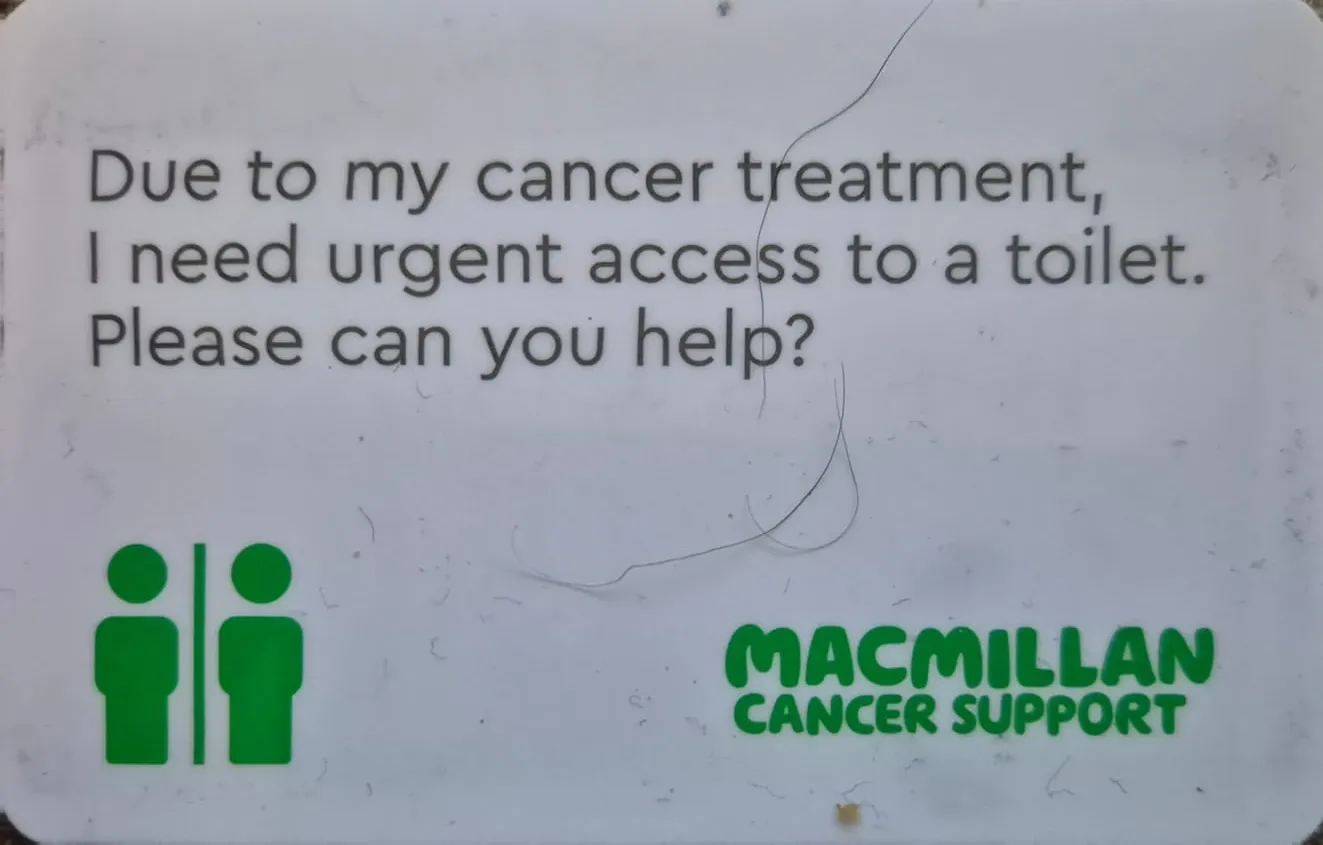
And thank you to all the shops that let me use their staff toilets when I was desperate. You wouldn't believe the kindness people showed me.
References
1. Lymphoma Action. Key facts about lymphoma. lymphoma-action.org.uk
2. Lymphoma Action. Lymphoma symptoms. Last reviewed November 2024. lymphoma-action.org.uk
3. Cancer Research UK. What is non-Hodgkin lymphoma? cancerresearchuk.org
4. National Institute for Health and Care Excellence. Epcoritamab for treating relapsed or refractory follicular lymphoma after 2 or more lines of systemic treatment (TA1139), March 2026. Section 3, committee discussion. nice.org.uk
5. Tilly H, Morschhauser F, Sehn LH, et al. Polatuzumab vedotin in previously untreated diffuse large B-cell lymphoma (POLARIX). New England Journal of Medicine, 2022;386:351-363. nejm.org
6. Cancer Research UK. Non-Hodgkin lymphoma statistics. cancerresearchuk.org
7. Cancer Research UK. Hodgkin lymphoma statistics. cancerresearchuk.org
8. Lymphoma Action. Press and media. lymphoma-action.org.uk
9. Lamb M, Painter D, Howell D, et al. Lymphoid blood cancers, incidence and survival 2005-2023: a report from the UK's Haematological Malignancy Research Network. Cancer Epidemiology, 2024;88:102513. sciencedirect.com
10. Cancer Research UK. Teenage and young adult (TYA) cancers. cancerresearchuk.org
11. National Institute for Health and Care Excellence. Suspected cancer: recognition and referral (NG12). Recommendations organised by site of cancer. nice.org.uk
12. Cancer Research UK. Symptoms of non-Hodgkin lymphoma. cancerresearchuk.org
13. Blood Cancer UK. Understand the survey behind the statistics. bloodcancer.org.uk
14. Blood Cancer UK. Because people are less likely to be diagnosed quickly. bloodcancer.org.uk
15. NHS England. National cancer waiting times monitoring dataset guidance. england.nhs.uk
16. Cancer Research UK. Cancer waiting times: latest updates and analysis, 18 August 2026. news.cancerresearchuk.org
17. Cheson BD. Staging and response assessment in lymphomas: the new Lugano classification. Chinese Clinical Oncology, 2015. cco.amegroups.org
18. Cancer Research UK. Non-Hodgkin lymphoma risk factors. cancerresearchuk.org
19. Cancer Research UK. Hodgkin lymphoma risk factors. cancerresearchuk.org
20. Lymphoma Action. Follicular lymphoma. lymphoma-action.org.uk
21. National Institute for Health and Care Excellence. Non-Hodgkin lymphoma: diagnosis and management (NG52). Recommendations. nice.org.uk
22. Northend M, Wilson M, Ediriwickrema K, et al. Early rituximab monotherapy versus watchful waiting for advanced stage, asymptomatic, low tumour burden follicular lymphoma: long-term results of a randomised, phase 3 trial. The Lancet Haematology, 2025;12:e335-e345. thelancet.com
23. Brett J, Henshall C, Dawson P, et al. Examining the levels of psychological support available to patients with haematological cancer in England: a mixed methods study. BMJ Open, 2023;13(2):e060106. pmc.ncbi.nlm.nih.gov
24. National Institute for Health and Care Excellence. Polatuzumab vedotin in combination for untreated diffuse large B-cell lymphoma (TA874), March 2023. nice.org.uk
25. Thieblemont C, et al. Large B-cell lymphoma: EHA Clinical Practice Guidelines for diagnosis, treatment and follow-up. HemaSphere, 2025. onlinelibrary.wiley.com
26. National Institute for Health and Care Excellence. Brentuximab vedotin in combination for untreated stage 3 or 4 CD30-positive Hodgkin lymphoma (TA1059), May 2025. nice.org.uk
27. National Institute for Health and Care Excellence. First-ever NHS treatment approved for advanced Hodgkin lymphoma, 2 April 2025. nice.org.uk
28. National Institute for Health and Care Excellence. Ground-breaking CAR-T therapy to treat aggressive form of blood cancer approved, January 2023. nice.org.uk
29. National Institute for Health and Care Excellence. Lisocabtagene maraleucel for treating relapsed or refractory large B-cell lymphoma after 2 or more lines of systemic treatment (TA1159), June 2026. nice.org.uk
30. National Institute for Health and Care Excellence. Axicabtagene ciloleucel for treating relapsed or refractory diffuse large B-cell lymphoma after first-line chemoimmunotherapy (TA895), June 2023. nice.org.uk
31. National Institute for Health and Care Excellence. Lisocabtagene maraleucel for treating relapsed or refractory large B-cell lymphoma after first-line chemoimmunotherapy when a stem cell transplant is suitable (TA1048), March 2025. nice.org.uk
32. National Institute for Health and Care Excellence. Epcoritamab for treating relapsed or refractory follicular lymphoma after 2 or more lines of systemic treatment (TA1139), March 2026. nice.org.uk
33. National Institute for Health and Care Excellence. Epcoritamab for treating relapsed or refractory follicular lymphoma after 2 or more lines of systemic treatment (TA1139). Resource impact summary report, March 2026. nice.org.uk
34. Lymphoma Action. Transformation of lymphoma. lymphoma-action.org.uk
35. National Institute for Health and Care Excellence. Neutropenic sepsis: prevention and management in people with cancer (CG151). Introduction. nice.org.uk
36. National Institute for Health and Care Excellence. Neutropenic sepsis (CG151). Key priorities for implementation. nice.org.uk
37. American Society of Hematology. Superior vena cava syndrome. hematology.org
38. NHS. Pulmonary embolism. nhs.uk
39. van Leeuwen FE, Ng AK. Long-term risk of second malignancy and cardiovascular disease after Hodgkin lymphoma treatment. Hematology ASH Education Program, 2016. ashpublications.org
40. de Vries S, Schaapveld M, van Nimwegen FA, et al. High burden of subsequent malignant neoplasms and cardiovascular disease in long-term Hodgkin lymphoma survivors. British Journal of Cancer, 2018;118:887-895. nature.com
41. Lymphoma Action. Late effects of lymphoma treatment. lymphoma-action.org.uk
42. Lymphoma Coalition. Psychological Impact of Lymphoma, 2023. lymphomacoalition.org
43. Equality Act 2010, Schedule 1, paragraph 6. legislation.gov.uk
44. Office for Disability Issues. Equality Act 2010 guidance on matters to be taken into account in determining questions relating to the definition of disability. gov.uk
45. Acas. Supporting disabled people at work: what employers should do. acas.org.uk
46. Disability Discrimination Act 1995, Schedule 1, paragraph 6A (Northern Ireland). legislation.gov.uk
47. Lymphoma Action. Support for you. lymphoma-action.org.uk
48. Blood Cancer UK. Facts and information about blood cancer. bloodcancer.org.uk
49. Macmillan Cancer Support. Lymphoma. macmillan.org.uk