
Stand With Science: What the Evidence Says About Your Workplace
Workplace health decisions should be based on evidence, not convenience. What UK employers need to understand from World Health Day 2026.
Workplace health decisions should be based on evidence, not convenience. What UK employers need to understand from World Health Day 2026.
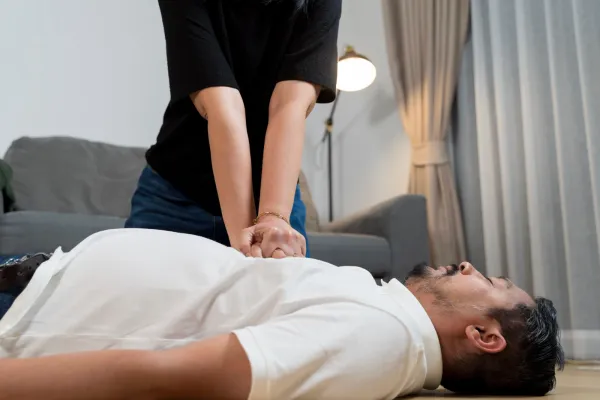
When someone collapses, the minutes before the ambulance arrives can decide the outcome. This practical guide explains how to recognise cardiac arrest, start hands-only CPR, and use an AED with confidence.

When the clocks go forward, most people lose an hour and carry on. But the evidence suggests the spring time change can affect sleep, alertness, heart health, and road safety. Here is why the lost hour matters, and why first aid knowledge still matters too.

Meningitis in teenagers can develop rapidly and early symptoms may resemble flu or a hangover. This guide explains the warning signs parents should know and when to seek urgent medical help.
Meningitis is a serious infection that can progress rapidly and requires urgent medical treatment. This in-depth guide explains the causes, symptoms, vaccines, and the current protection gap in the UK.

A detailed guide to the HSE Management Standards, the legal duty behind them, what compliance actually requires, and how UK employers should assess and manage workplace stress.

Stress Awareness Month should be more than a poster campaign. This practical guide explains what UK employers and HR teams should actually do in April, from stress risk assessment and manager training to meaningful long-term action.

Workplace stress can damage wellbeing, performance, and organisational resilience. This guide explains the causes, signs, legal responsibilities, and practical steps UK employers can take to manage stress more effectively.

University Mental Health Day 2026 is a reminder that students do not always say when they are struggling. Here is what parents can look for, how to start a calm conversation, and where to turn for extra support.

Awareness days are not enough. My Whole Self Day is a prompt, but culture changes through structure: psychological safety, trained Mental Health First Aiders, and clear support routes all year round.
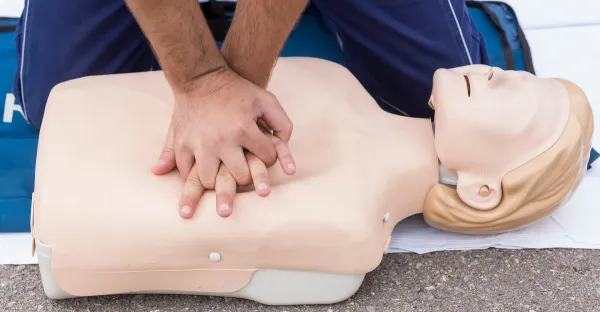
Annie, are you OK?’ isn’t just a lyric. It links back to CPR training and the Resusci Anne manikin, and it’s a neat reminder of what matters in a real cardiac arrest: call 999, start compressions fast, and don’t wait
If you’re worried your teen might be self-injuring, you’re not alone. This is a calm, practical guide to what you might notice, how to start a conversation, and how to get the right support.