When You Notice Something Has Changed: A Parent's Guide to Self-Injury
If you’re worried your teen might be self-injuring, you’re not alone. This is a calm, practical guide to what you might notice, how to start a conversation, and how to get the right support.
Self-Injury Awareness Day | 1 March 2026
You noticed something. Maybe it was a mark you couldn't explain, sleeves worn through summer, a flinch when you reached for your teenager's arm. Or perhaps there was no visible sign at all, just a feeling that something was wrong.
That feeling matters. And the fact that you are here, trying to understand, matters even more.
Self-injury is one of the most misunderstood things a young person can go through. For many parents, the immediate response is fear, guilt, confusion, or anger. All of those reactions are human. But how you respond in those first moments can make a real difference to whether your child feels safe enough to talk to you.
This guide is for you. It won't give you a script. It will give you something more useful: an honest understanding of what self-injury actually is, why young people do it, what to look for, and how to respond without making things worse.
What Is Self-Injury?
Self-injury (sometimes called self-harm or NSSI, non-suicidal self-injury) refers to when someone deliberately hurts their own body as a way of coping with emotional pain, distress, or overwhelming feelings. It is not a suicide attempt, though it is serious and should always be taken seriously.
It is more common than most people realise. Research consistently shows that around one in five young people in the UK will self-injure at some point. That statistic is not meant to minimise it. It is meant to help you understand that your child is not broken, and you are not alone.
Self-injury does not look the same for everyone. It is not always visible. It does not always leave marks. And it does not always fit the image many of us carry in our heads.
The Myth That Does the Most Damage
"They're just doing it for attention."
This is the most harmful thing you can say or think about a young person who self-injures. Not because it is cruel (though it is), but because it is wrong.
Self-injury is almost always a private coping mechanism. Most young people who self-injure go to considerable lengths to hide it. They are not performing for an audience. They are trying to survive feelings they do not yet have the tools to manage.
If a young person does reach out and tell someone they have been self-injuring, that takes enormous courage. Responding with 'you're just doing it for attention' is one of the fastest ways to ensure they never ask for help again.
Even in the rare cases where self-injury involves an element of communication, the right response is still to listen. A young person who is desperate enough to hurt themselves to communicate distress is still genuinely distressed. The distress is real. The message is real. The method is what needs support, not dismissal.
Why Do Young People Self-Injure?
Understanding the 'why' does not mean excusing it or accepting it as permanent. It means giving yourself a chance to actually help.
Young people typically self-injure for one or more of these reasons:
- To release emotional pain that feels impossible to express in words. The physical sensation can temporarily relieve psychological pressure.
- To feel something when emotional numbness has set in. Dissociation, depression, and trauma can leave young people feeling disconnected from themselves.
- To feel in control. When life feels chaotic or overwhelming, the body can become the one thing a young person feels they can control.
- To punish themselves. Low self-worth, shame, and self-blame are significant factors, particularly where trauma or abusive experiences are involved.
- To communicate distress when they cannot find words or feel that words will not be heard.
None of these reasons are manipulative. They are all signals of genuine, significant distress. The self-injury is not the problem: it is the solution someone has found to a problem they have not been able to solve any other way. Your job, as a parent, is to help them find better solutions, and that starts with not making the problem worse by reacting in ways that increase shame.
Recognising the Signs
Self-injury is often hidden deliberately, and that is important to understand. A young person who is self-injuring is usually afraid of the reaction they will get. Knowing what to look for means you can open a conversation before a crisis point, rather than waiting until something becomes impossible to ignore.
Physical signs may include:
- Unexplained marks, cuts, burns, or bruises, often on the arms, thighs, or stomach
- Wearing long sleeves, long trousers, or other covering clothing in warm weather
- Wincing at touch or being protective of certain areas of the body
- Disappearing to bathrooms or bedrooms for extended periods, particularly in distressing situations
- Finding items such as sharp objects, blood-stained tissues, or similar hidden in their room or belongings
It is also worth saying plainly: many parents see none of these signs at all. Young people who self-injure are often remarkably skilled at concealment, and the absence of visible evidence does not mean nothing is happening. For some families, the first they know is when their child tells them. If that happens, it means your child has chosen to trust you with something they have been carrying alone. That takes courage, and the way you respond to that disclosure matters enormously.
Behavioural and emotional signs may include:
- Withdrawal from friends, family, and activities they previously enjoyed
- Significant mood changes, including intense distress followed by periods of relative calm
- Expressions of worthlessness, shame, or self-blame
- Difficulty managing emotions, particularly anger, sadness, or anxiety
- Increased secrecy around devices, clothing, or personal space
No single sign confirms self-injury. Some of these behaviours are typical of adolescence. What you are looking for is a cluster of changes, particularly if they are new, persistent, or out of character. Trust your instincts. You know your child.
How to Respond Without Making Things Worse
This is the part most parents are most afraid of. What do you say? What do you do? How do you get it right when the stakes feel so high?
There is no perfect script. But there are responses that help and responses that harm, and the difference usually comes down to a few key principles.

Stay as calm as you can
This is genuinely hard. Seeing your child hurt themselves is frightening and painful. But if your initial reaction is one of anger, disgust, or panic, your child is likely to shut down, feel ashamed, or believe they have caused you harm. They may not come to you again.
You do not need to pretend you are not upset. 'I'm finding this hard to hear because I care about you so much' is honest and human. What you want to avoid is a response that makes the conversation about your feelings rather than theirs.
Listen more than you speak
Your instinct will be to fix it immediately. To find out exactly what happened, who is to blame, what needs to change. Resist that impulse, at least at first.
Ask open questions. 'Can you help me understand what's been going on?' 'How long have you been feeling this way?' 'What would help you right now?' Then listen to the answers without interrupting, problem-solving, or minimising.
You may not understand everything they tell you. That is okay. 'I don't fully understand, but I want to' is a good response. 'That makes no sense' is not.
Avoid ultimatums and threats
'If you ever do this again, I'm taking your phone' or 'I'll tell your school' may feel like a way of taking control of a situation that feels out of control. What they actually do is teach your child to hide things from you more effectively.
Self-injury is a coping mechanism. You cannot remove a coping mechanism without helping someone find a better one first. Threats and ultimatums don't achieve that. They just drive the behaviour further underground.
Do not demand to see injuries
A young person's body is their own. Demanding to inspect wounds can feel violating and increase shame. If you are concerned about whether an injury needs medical attention, you can ask gently: 'Are you hurt in a way that needs looking at? I want to make sure you're safe.'
Treating wounds, if they are visible and minor, can be done in a matter-of-fact way. 'Let me clean that up for you' conveys care without making the injury a dramatic focus.
Make it clear you are not going anywhere
Many young people who self-injure are terrified that if anyone really knew, they would be rejected, hospitalised, or exposed. They need to know that your love is not conditional on their behaviour, and that you are not going to abandon them or react in ways that take control away from them.
'I love you. I'm not angry at you. I'm worried about you, and I want to help you figure this out together' is a good place to start.
Things that help
- Staying calm and measured
- Listening without interrupting
- Asking open questions
- Expressing care without conditions
- Seeking professional support together
- Thanking them for telling you
Things that harm
- Reacting with visible panic or anger
- Demanding explanations immediately
- Threatening punishments or disclosure
- Making it about your feelings first
- Minimising ("other people have it worse")
- Telling them to just stop
Getting Professional Support
Self-injury is a sign that a young person needs more support than most families can provide on their own. That is not a failure on your part. It is just the reality of what is happening.
If your child discloses self-injury, or you discover it, the next step is to involve a professional. This might be:
- Your GP, as a first point of contact, who can refer to CAMHS (Child and Adolescent Mental Health Services) or other appropriate support
- Your child's school, if there is a counsellor or pastoral support worker you trust and your child agrees
- A crisis line if the situation feels urgent: the Samaritans (116 123) are available 24 hours a day, and PAPYRUS (0800 068 4141) specifically supports young people
- A private therapist with experience of young people and self-injury, if waiting times through NHS routes are prohibitive
Wherever possible, involve your child in decisions about their care. Young people who feel they have been dragged into treatment against their will are less likely to engage with it. Young people who feel their voice is being heard are more likely to do the hard work of finding better ways to cope.
Looking After Yourself
This deserves its own section, not as an afterthought.
Discovering that your child is self-injuring is genuinely traumatic for a parent. You may feel guilt ('What did I miss? What did I do wrong?'), fear, grief, helplessness, or anger. You may find yourself oscillating between all of them in the space of an hour.
You cannot support your child effectively if you are falling apart. This is not selfishness. It is basic reality.
Talk to someone you trust. Consider speaking to your own GP if you are struggling. Look at whether your child's school or any professional involved in their care can offer guidance or family support sessions. You do not have to navigate this alone either.
And please: try to let go of the guilt. Your child's self-injury is not evidence that you failed them. It is evidence that they are struggling, and that is something you can help with, starting now.
Self-Injury Awareness Day: 1 March 2026
Self-Injury Awareness Day takes place on 1 March each year. It exists to reduce stigma, encourage open conversations, and connect people who are struggling with the support they need.
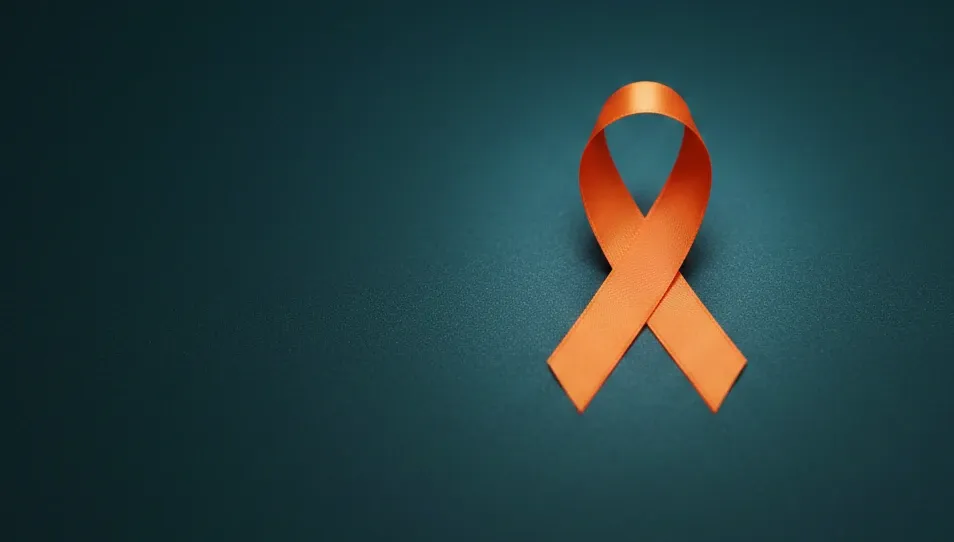
Wearing an orange ribbon on 1 March is a simple way to show awareness and solidarity. If it prompts a conversation, that conversation might matter more than you know.
A Final Word
If you are reading this because you are worried about your child, you are already doing something right. The parents who make a difference are the ones who choose to understand rather than react, who stay present when it would be easier to turn away, and who keep the door open even when it feels like it is being slammed in their face.
Your child does not need you to be perfect. They need you to be consistent, honest, and there.
That is more than enough to start with.
---
Useful Resources
- Samaritans: 116 123 (free, 24/7) | www.samaritans.org
- PAPYRUS HopelineUK: 0800 068 4141 | www.papyrus-uk.org
- Young Minds: www.youngminds.org.uk
- Self-Injury Support: www.sift.org.uk
- NSPA (National Self Harm Network): www.nspa.org.uk
If you believe your child has sustained a serious or life-threatening injury, do not wait. Call 999 or take them to your nearest A&E immediately. Self-injury that requires urgent medical attention always takes priority over any conversation about why it happened.
About Constellation Training
Constellation Training provides regulated first aid and mental health qualifications across the UK. Our courses are built around the principle that knowledge reduces fear, and that people who understand what is happening are better placed to help.
We publish content like this because the gap between what parents need to know and what they are usually told is too wide. If this guide has been useful, please share it.