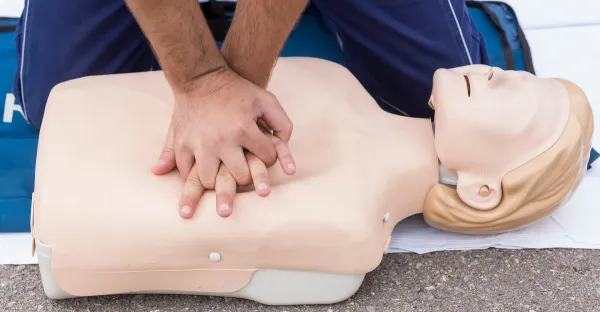
Acting with Confidence in an Emergency: What First Aiders Really Need to Know
Most people hesitate in an emergency not because they don’t care, but because they are afraid of getting it wrong. This article explains what first aiders are really expected to do, why confidence matters more than perfection, and how simple, reasonable actions can save lives.
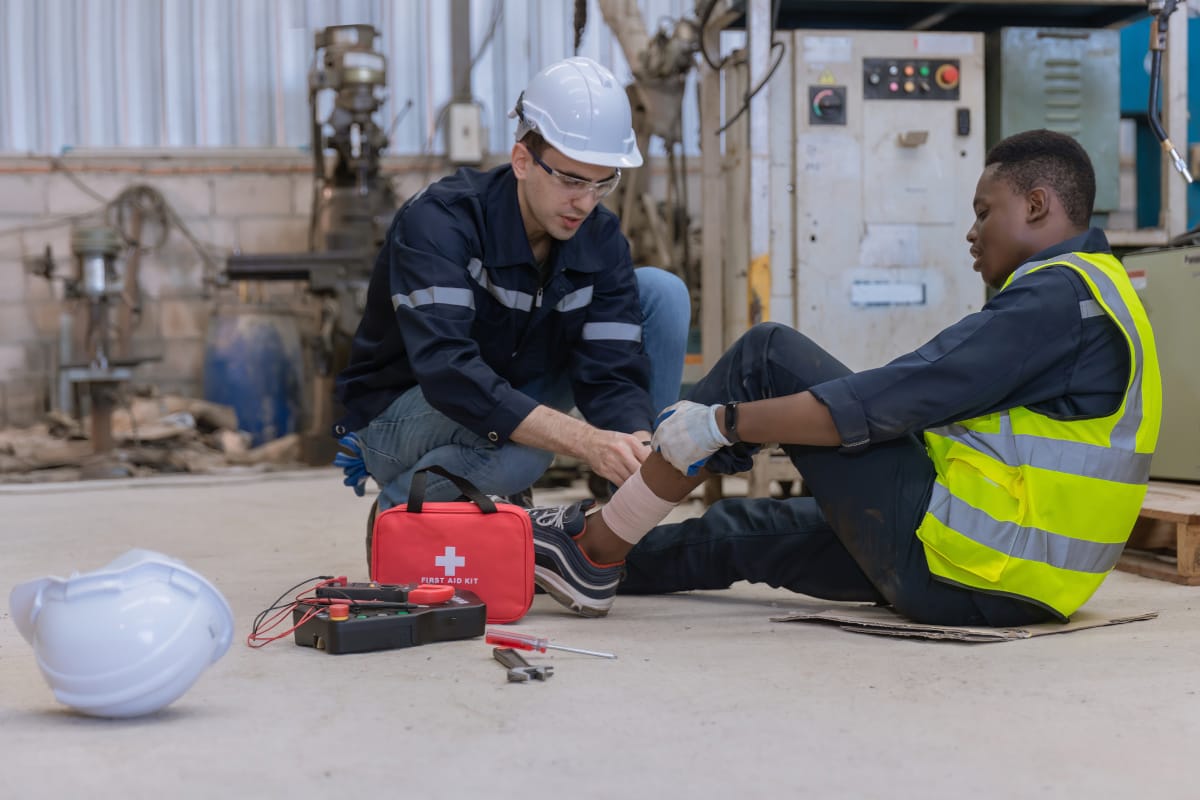
In an emergency, hesitation is the biggest enemy.
Most people don’t fail to help because they don’t care. They hesitate because they are afraid of getting it wrong.
The truth is far simpler, and far more reassuring.
First aid is not about perfection.
It is about early, reasonable help.
This is why, at Constellation Training, we teach simple steps that support both the first aider and the casualty.
Learn more about our workplace first aid training
1. Safety Comes First, Always
Before you act, pause for a moment.
Ask yourself:
- Is the scene safe for me?
- Can I help without becoming another casualty?
You are never expected to put yourself in danger.
A safe first aider is an effective first aider.
At Constellation Training, we always encourage people to take a deep breath first. Slowing yourself down helps you think clearly and act calmly.
2. Call for Help Early
If the situation is serious, call emergency services immediately.
Clear information saves time:
- Where you are
- What has happened
- How many people are involved
Calling for help is not failure. It is part of good first aid.
Where possible, use speaker or hands-free mode so you can continue to help while speaking to the emergency call handler.
3. Focus on the Basics (ABC)
You do not need to diagnose.
You do not need medical jargon.
Just remember:
- Airway – Is it open?
- Breathing – Are they breathing normally?
- Circulation – Is there severe bleeding?
These simple checks guide everything else you do.
4. Do What You’re Trained to Do
First aiders are expected to act within their training, not beyond it.
That may include:
- Applying direct pressure to control bleeding
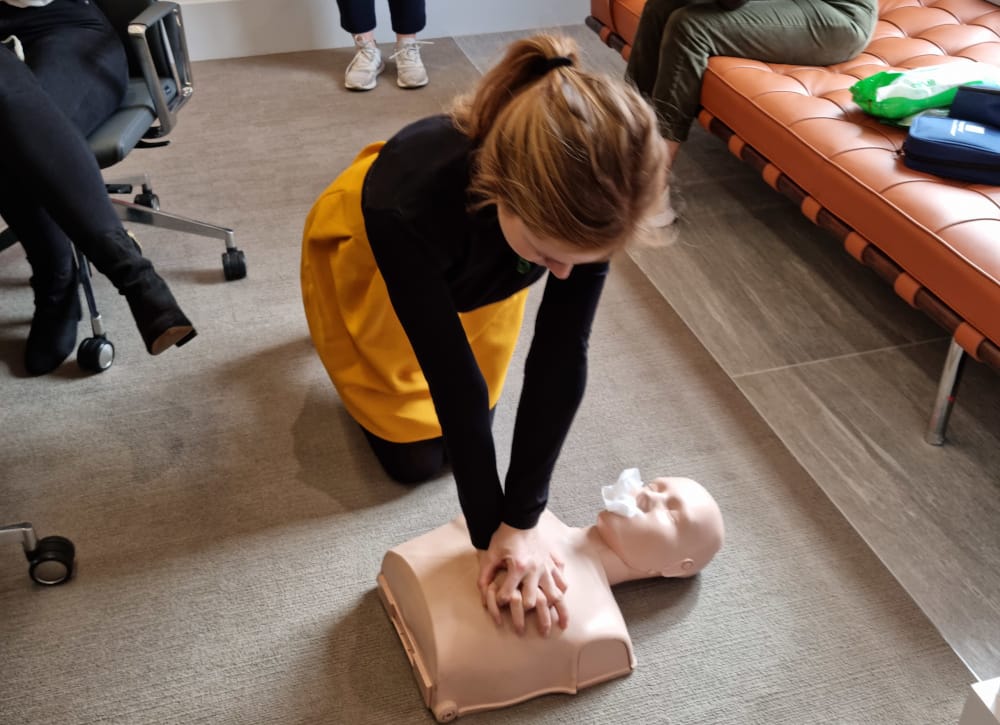
- Starting CPR if someone is unresponsive and not breathing
- Using a defibrillator if one is available
- Providing reassurance and monitoring until help arrives
You are not expected to get everything textbook perfect.
You are expected to be reasonable and calm.
5. Stay, Support, and Reassure
Your presence matters.
Staying with someone, keeping them warm, talking to them, and monitoring their condition is first aid.
Doing something sensible is always better than doing nothing.
The Key Message
UK law supports first aiders who act in good faith.
Confidence does not come from knowing everything.
It comes from knowing what you are responsible for, and what you are not.
That is why good training focuses on:
- Clear priorities
- Realistic expectations
- Practical decision-making under pressure
At Constellation Training, we do not train people to be medics.
We train them to act when it matters.