Modern CPR – How Science, Simplicity, and Defibrillators Save Lives Today
Modern CPR is designed to be simple, fast, and effective. By focusing on high-quality chest compressions, hands-only CPR, and early use of defibrillators, ordinary people can save lives before emergency services arrive.
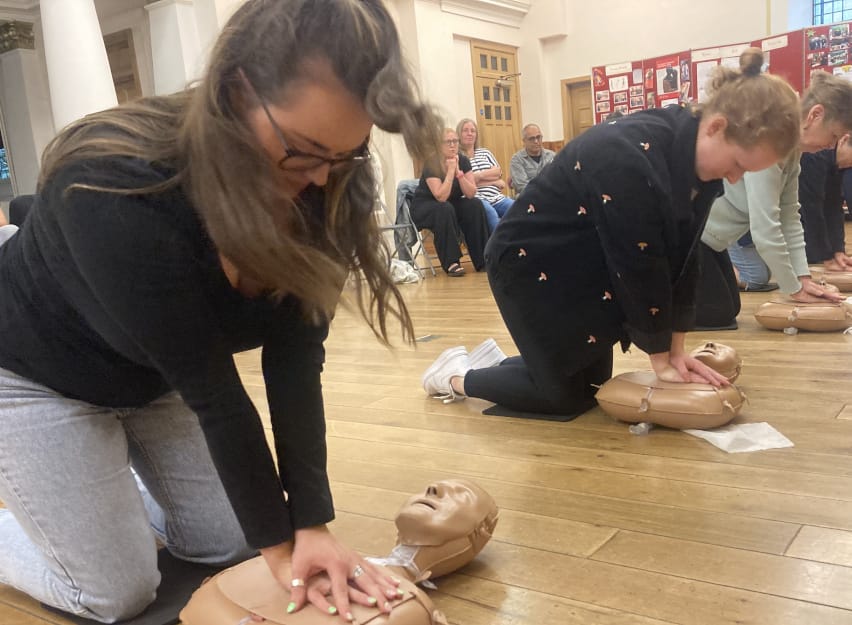
Modern CPR is not an accident of history. It is the result of decades of research, refinement, and one clear goal: make lifesaving action faster, simpler, and more likely to happen.
This is the point where CPR becomes recognisably what we teach today.
1. The Shift to Evidence-Based CPR
By the late 20th century, CPR moved decisively from tradition to science.
Large-scale studies showed that:
- High-quality chest compressions are the single most important factor in survival
- Delays caused by hesitation or over-complex steps cost lives
- Early circulation and early defibrillation matter more than perfection
Organisations such as Resuscitation Council UK and the American Heart Association began regularly updating guidance based on real-world outcomes.
The result:
Clear, consistent, teachable standards that ordinary people can follow under pressure.
2. Hands-Only CPR: Removing the Biggest Barrier
Research revealed a critical problem: people were afraid to act.
Common concerns included:
- Mouth-to-mouth contact
- Getting it “wrong”
- Legal consequences
Hands-only CPR changed everything.
For sudden adult cardiac arrest:
- Call 999
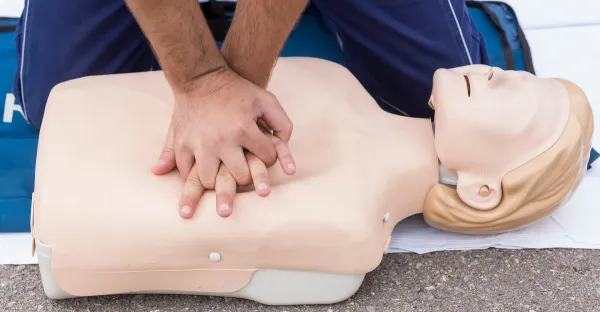
- Push hard and fast in the centre of the chest
- Don’t stop until help arrives
This approach dramatically increased bystander intervention rates and improved survival in the first crucial minutes.
3. The Game-Changer: Public Access Defibrillators (AEDs)
Defibrillation was once limited to hospitals and ambulances.
That changed with the introduction of automated external defibrillators (AEDs).
Modern AEDs:
- Analyse the heart rhythm automatically
- Give clear spoken instructions
- Will not deliver a shock unless it is needed
In the UK, AEDs are now commonly found in:
- Workplaces
- Schools
- Community centres
- High streets and transport hubs
Used early, an AED can more than double survival chances.
4. CPR Today: Simple, Structured, and Achievable
Modern CPR training focuses on confidence and clarity:
- Early recognition of cardiac arrest
- Immediate chest compressions
- Rapid AED use
- Clear handover to emergency services
Crucially, first aiders are taught that:
- You are not expected to diagnose
- You are not expected to be perfect
- You are expected to act reasonably and promptly
This approach is supported by UK law and national guidance.
5. Why This Matters for You
Cardiac arrest does not wait for professionals.
It happens:
- At work
- At home
- In public places
- To people you know
Modern CPR is designed so that ordinary people can do extraordinary things—without specialist equipment, without medical training, and without hesitation.
Training turns fear into action.
6. What if I Get It Wrong and They Aren’t in Cardiac Arrest?
This is one of the most common questions asked in CPR training.
The guidance is clear: if you are in doubt, start CPR.
- The worst you are likely to do is break a rib (this is rarer than most people think)
- The worst outcome if you don’t start CPR is that the person dies
It is far better to commence CPR than to hesitate and do nothing. Acting quickly gives someone a chance they would not otherwise have.
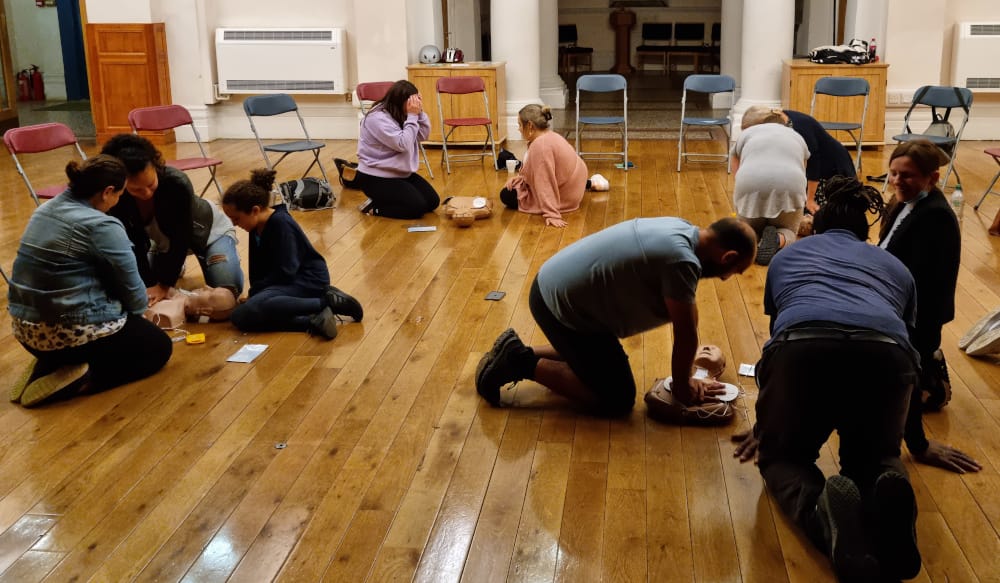
Constellation Training regularly runs free community CPR sessions, teaching members of the public how to perform CPR and use an automated external defibrillator (AED).
Coming Next: CPR in the UK Today
In Blog 4, we’ll bring this history home:
- How CPR fits into the UK emergency response system
- What first aiders are legally expected to do
- Why early action matters even when an ambulance is already on the way
If you want CPR training that reflects modern evidence, real-world confidence, and UK standards, this is exactly what we teach—clearly, practically, and without unnecessary complexity.