The History of First Aid: From Ancient Battlefield Medicine to Modern Qualifications
From ancient battlefield medicine to modern qualifications, discover how first aid evolved, and why confidence, evidence, and human judgement still matter today.
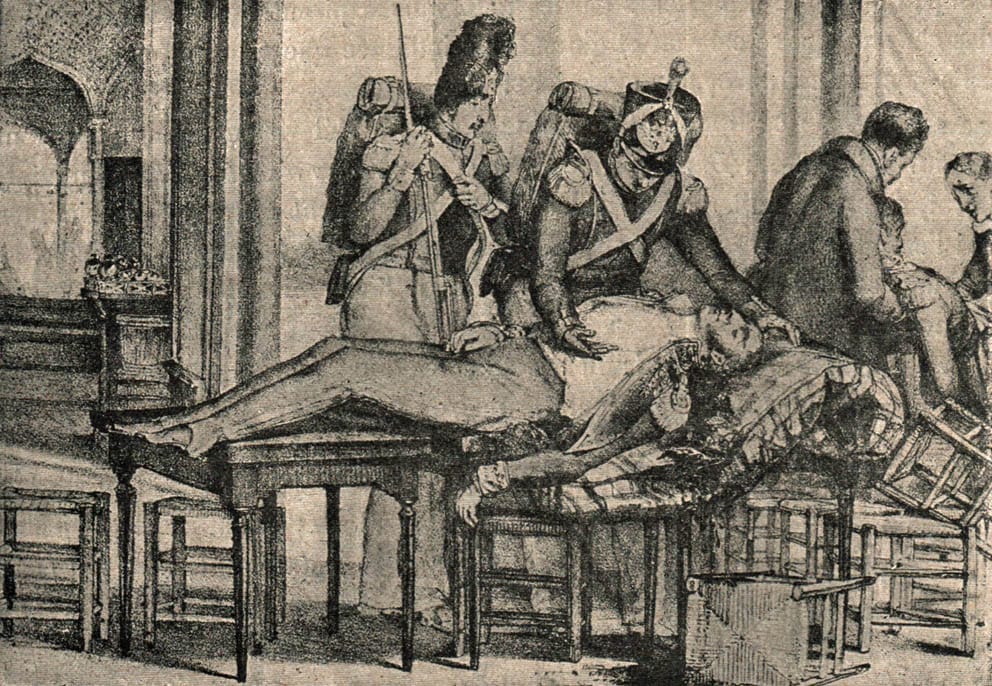
When you open a first aid kit today, you’re benefiting from thousands of years of accumulated human knowledge. Every bandage, every protocol, every life-saving technique has a story, often written in the blood of soldiers, the ingenuity of physicians, and the compassion of ordinary people who refused to stand by while others suffered.
First aid did not appear overnight. It evolved through trial, error, tragedy, and progress.
This is the remarkable journey of first aid, from ancient civilisations to the modern qualifications we rely on today.
Ancient Beginnings: The First “First Aiders” (3000 BCE – 500 CE)
Ancient Egypt: The Earliest Medical Records
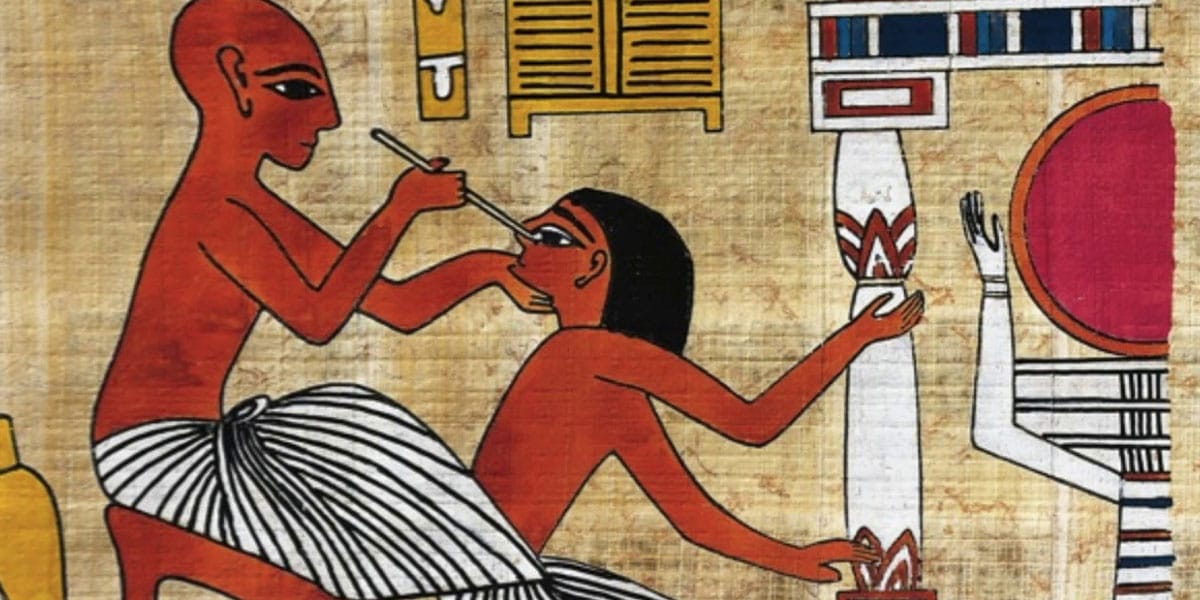
The earliest evidence of organised first aid comes from Ancient Egypt around 3000 BCE.
The Edwin Smith Papyrus, dating to approximately 1600 BCE but copied from much earlier texts, is effectively the world’s first trauma care manual. It documents 48 cases of injury, primarily from construction accidents and warfare, described with a strikingly modern structure:
- Examination procedures (what we’d now call primary and secondary surveys)
- Diagnosis methods
- Treatment protocols
- Prognosis assessments
Egyptian physicians understood wound cleaning, used honey as an antibacterial (a practice modern medicine has validated), created splints from bark and linen, and performed basic surgical procedures.
Temple priests and military physicians were, in effect, the world’s first specialist emergency responders.
Ancient Greece and Rome: Systematising Emergency Care
Greek and Roman medicine built upon Egyptian foundations and introduced a more structured approach to emergency care.
Hippocrates (460–370 BCE) established principles that still underpin first aid today:
- Cleaning wounds with wine or boiled water
- Positioning casualties to reduce shock
- Immobilising fractures
- Observing patients for deterioration
Roman military medicine took this further and became arguably the most advanced first aid system of the ancient world.
Roman legions employed:
- Capsarii – battlefield first aiders carrying medical supplies
- Medici – trained military physicians
- Valetudinaria – field hospitals close to battle zones
Roman soldiers were trained in basic first aid, carried wound dressings, and used early tourniquets. This made Rome one of the first societies to standardise emergency medical training across an entire workforce.
Medieval Period: Knowledge Lost and Found (500–1500 CE)
With the fall of the Roman Empire, much medical knowledge was lost across Europe, though progress continued elsewhere.
Islamic Medicine: Preserving and Advancing Care
While Europe stagnated, Islamic physicians preserved and expanded classical medical knowledge:
- Al-Razi (865–925 CE) wrote extensively on wound management and poisoning
- Ibn Sina (Avicenna, 980–1037 CE) produced medical encyclopaedias used for centuries
- Advances were made in surgical instruments, wound care, and trauma treatment
These developments would later re-enter Europe and reshape emergency medicine.
The Crusades: Battlefield Innovation Returns
The Crusades (1095–1291) accelerated European first aid development through:
- Exposure to advanced Islamic medical practices
- The Knights Hospitaller, who established the first European field hospitals since Roman times
- The development of stretcher systems and casualty evacuation
Once again, war drove innovation, at a heavy human cost.
Renaissance to Industrial Revolution: The Birth of Modern First Aid (1500–1800)
Military Medicine Advances
French battlefield surgeon Ambroise Paré (1510–1590) transformed emergency wound care by:
- Abandoning cauterisation with boiling oil
- Introducing ligatures to control bleeding
- Improving fracture management
His famous phrase, “I dressed him, God healed him”, reflects a growing understanding that first aid supports the body’s natural healing rather than replacing it.
First Aid Comes Home
As populations grew and industry expanded, emergencies were no longer confined to battlefields:
- Mining accidents demanded immediate response
- Industrial injuries required trained workers on site
- Fire brigades developed rescue and early resuscitation techniques
First aid was becoming a civilian necessity.
The Formalisation Era: First Aid Becomes a Movement (1800–1900)
The Birth of Modern First Aid
The 19th century marked a turning point.
Dr. Friedrich von Esmarch (1823–1908), a German military surgeon, created the first comprehensive first aid training programmes for civilians and soldiers. His 1882 work formalised the idea of immediate care by non-medical people before professional help arrives, the foundation of modern first aid.
The Red Cross Movement
In 1859, Henry Dunant witnessed the aftermath of the Battle of Solferino, where tens of thousands of wounded soldiers lay without care.
His response led to:
- The founding of the International Committee of the Red Cross (1863)
- The First Geneva Convention (1864)
- Protected medical personnel on battlefields
- Organised volunteer first aid training
First aid became humanitarian, structured, and internationally recognised.
First Aid in Britain
Britain led civilian first aid development:
- 1877 – Railway workers trained in first aid
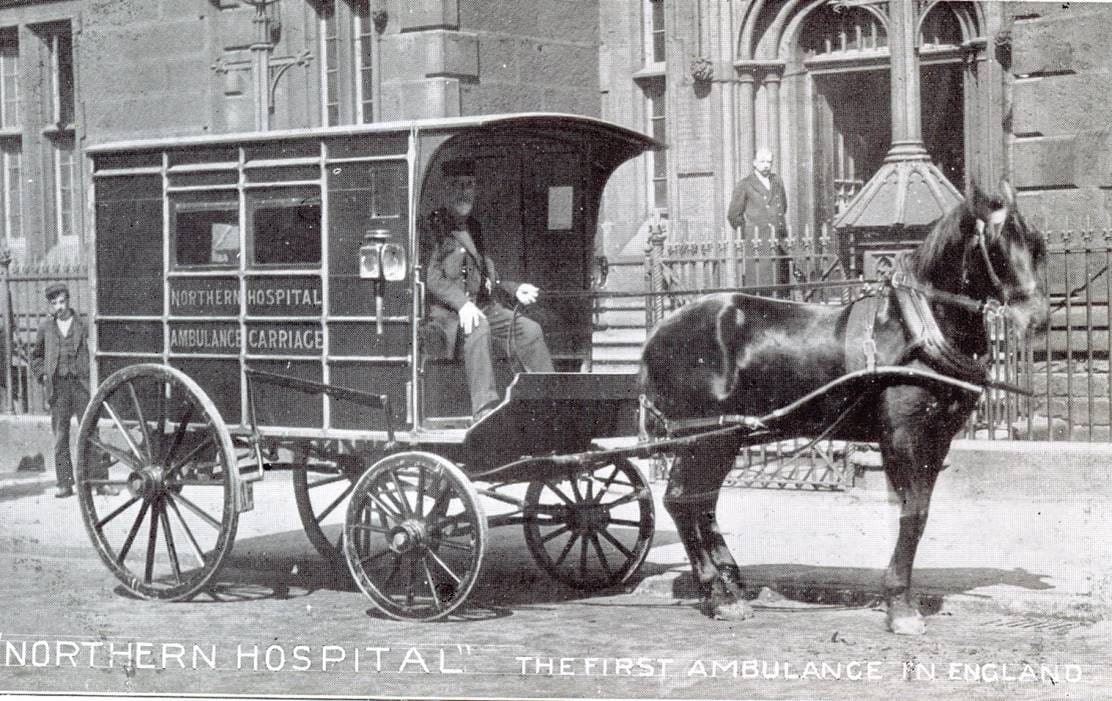
- 1878 – The first British first aid manual published
- 1887 – St John Ambulance held its first public first aid class
For the first time, ordinary people were formally trained to respond to emergencies.
The Twentieth Century: Standardisation and Democratization (1900–2000)
World Wars Drive Innovation
Both world wars accelerated first aid development dramatically.
World War I:
- Triage systems formalised
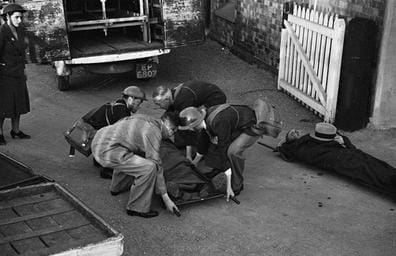
- Ambulance services organised
- Shell shock recognised (early mental health awareness)
- Mass civilian first aid training
World War II:
- Improved haemorrhage control
- Better shock management
- Millions trained as civilian air-raid first aiders
- Blood transfusion systems developed
Post-War Civilian Focus
After 1945, first aid moved firmly into everyday life.
1960s–1970s:
- CPR techniques standardised
- The Heimlich manoeuvre introduced
- Ambulance services professionalised
1980s–1990s:
- AEDs made defibrillation accessible
- Infection control transformed by blood-borne pathogen awareness
- First aid entered schools and workplaces
- Legal duties around workplace first aid became formalised
From History to Confidence
By the late 20th century, one lesson was clear:
First aid works best when ordinary people feel confident enough to act.
Training shifted away from perfection and memorisation towards:
- Early recognition of emergencies
- Simple, effective actions
- Supporting casualties until help arrives
Modern first aid focuses on confidence, decision-making, and realism, principles forged through centuries of experience.
The Modern Era: Regulation and Specialisation (2000–Present)
The Regulatory Framework
The 21st century brought formal qualification structures to first aid in the UK, ensuring training is consistent, evidence-led, and quality-assured.
Under the Regulated Qualifications Framework (RQF), many first aid qualifications are regulated by Ofqual, providing:
- Standardised learning outcomes and assessment
- Independent quality assurance
- Nationally recognised qualifications
- Regular updates reflecting medical advances
Alongside Ofqual-regulated qualifications, first aid training is also governed by recognised industry bodies and awarding organisations, ensuring high standards where formal regulation is not required or appropriate.
What matters most is not the logo on the certificate, but that training:
- Follows current clinical guidance
- Is delivered by competent, monitored providers
- Prepares people for real-world emergencies
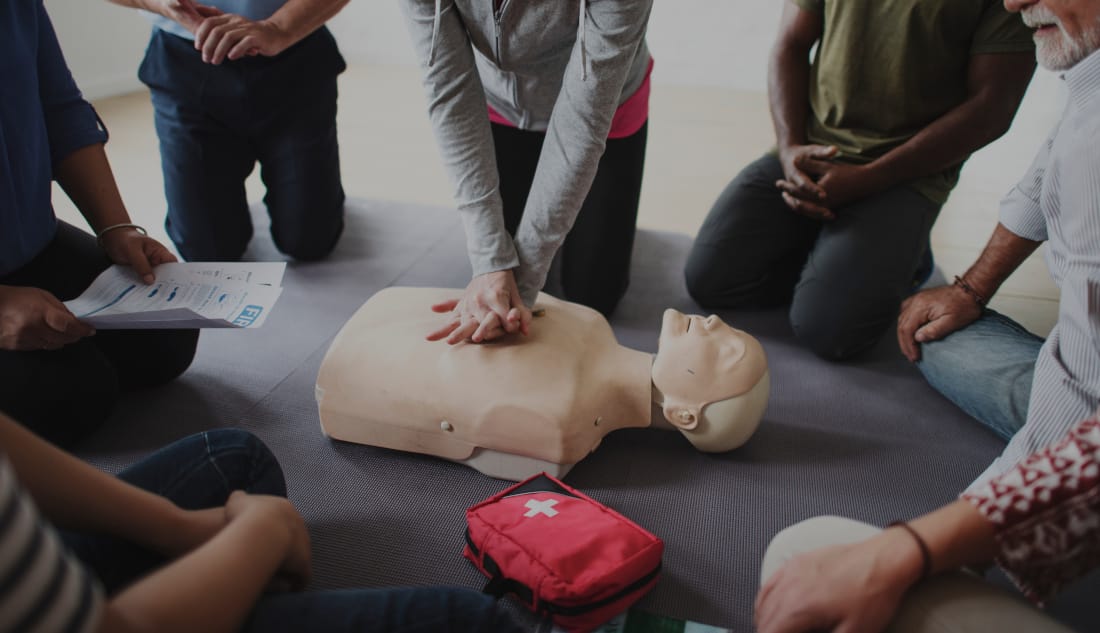
Modern first aid training, such as the courses delivered by Constellation Training, builds confidence through practical, evidence-based learning.
Specialised First Aid Emerges
Modern first aid has expanded into specialist areas:
- Mental Health First Aid
- Paediatric First Aid
- Wilderness and Remote First Aid
- Sports First Aid
- Psychological First Aid
This reflects a deeper understanding that emergencies are not one-size-fits-all.
Evidence-Based Practice
Contemporary first aid is driven by research:
- Regular guideline updates
- Simplified techniques to improve bystander action
- Technology integration (apps, video support, remote guidance)
- Focus on what works in real-world conditions
The Future of First Aid
Emerging trends include:
- AI-assisted support tools
- Drone-delivered AEDs
- Augmented reality training
- Telemedicine-supported first aid
Alongside growing recognition that:
- Mental health crises deserve immediate response
- Psychological first aid should be standard
- Confidence matters more than perfection
Why History Matters for Modern First Aiders
Understanding this journey shapes how we practice today:
- Humility – Best practice evolves; staying current matters
- Confidence – Core principles endure because they work
- Accessibility – Life-saving skills now belong to everyone
- Progress – Evidence has replaced ritual and fear
Joining the Tradition
Every person who learns first aid joins an ancient and honourable tradition, from Egyptian physicians to Roman battlefield medics, from Red Cross volunteers to modern Mental Health First Aiders.
The techniques have changed.
The purpose has not.
Constellation Training delivers high-quality first aid and mental health training aligned to recognised UK frameworks, from regulated qualifications to specialist and workplace-focused courses.
Our approach reflects everything this history teaches us:
- Evidence over tradition
- Confidence over complexity
- Human judgement over rigid rules
You’re not just attending a course.
You’re becoming ready to act when it matters most.
The next chapter of first aid history is being written now.
Make sure you’re part of it.
UK-based training • Evidence-led • Delivered by experienced trainers