The Remarkable History of CPR: From Tobacco Smoke Enemas to Life-Saving Techniques
From tobacco smoke enemas to modern CPR, the history of resuscitation is a story of trial, error, and progress. Discover how life-saving techniques evolved and why early, confident action matters.
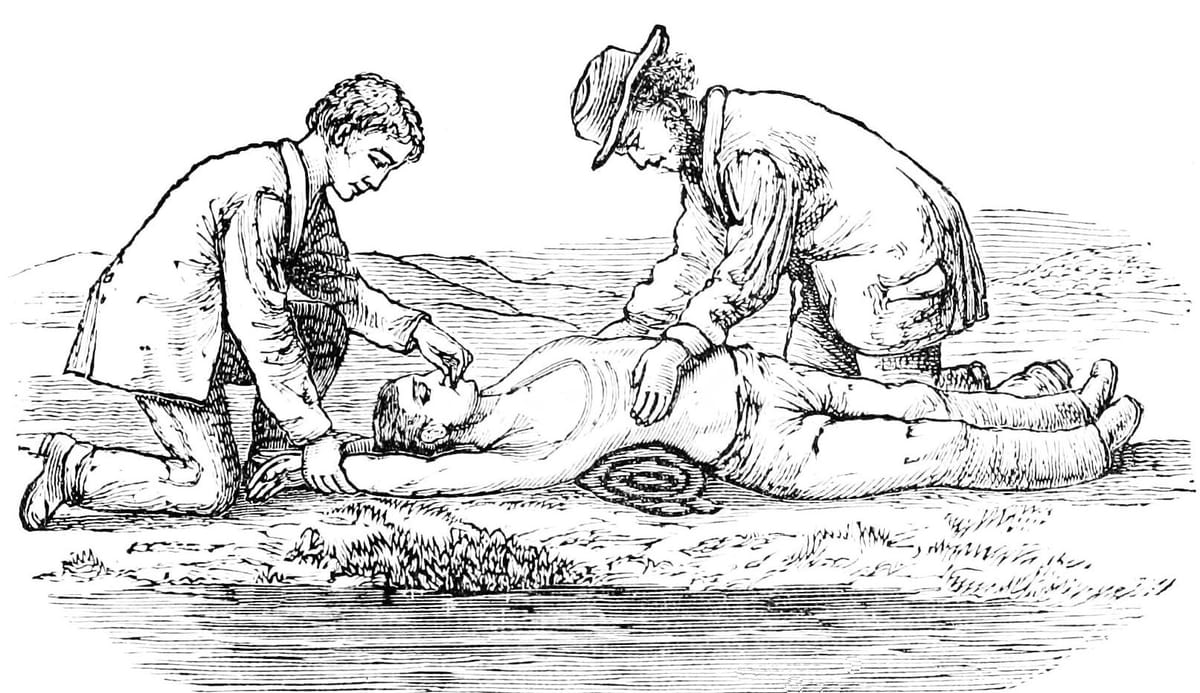
I've been learning first aid for 48 years, and in that time, I've witnessed some major changes – particularly in the area of CPR. When I did my first full First Aid Course, at age 12, mouth-to-mouth (commonly known as the "kiss of life") was emphasised above all else, with compressions taking a secondary role. We were also taught two alternative techniques that avoided direct mouth contact: the Silvester method for casualties on their back and the Holger Nielsen method for casualties on their front. Both involved rhythmically pulling the arms and pushing on the chest to stimulate breathing. By the time I was 16, these methods had disappeared entirely from training.
The changes didn't stop there. In those days, with no mobile phones, emergency services could only be contacted via a landline. I still remember the outcry when protocol shifted from "Perform CPR until the casualty comes round" to "Leave the casualty, call the emergency services, then return to perform CPR". It felt counterintuitive to stop helping someone in order to make a phone call, yet this change reflected growing evidence about the critical importance of professional medical intervention.
Next month I'll be posting about how to perform various first aid techniques, but today I thought I'd explore the fascinating history of CPR – a journey that spans far more than my 48 years of experience.
When someone's heart stops beating, every second counts. Today, we know that immediate CPR can double or even triple a person's chance of survival in some circumstances. But the journey to develop this life-saving technique took centuries of trial, error, and some truly unusual methods – including the practice of blowing tobacco smoke into a person's rectum.
Yes, you read that correctly. Let's explore the fascinating and sometimes bizarre history of resuscitation.
Ancient Beginnings: Early Attempts at Resuscitation
The desire to revive the apparently dead is as old as humanity itself. Ancient Egyptian texts from around 3000 BCE describe attempts to resuscitate drowning victims by placing them over a trotting ox to expel water from the lungs. The Bible contains what may be the earliest recorded mouth-to-mouth resuscitation, when the prophet Elisha revived a child by breathing into his mouth.
In the 16th century, Swiss physician Paracelsus attempted to revive victims by using fireplace bellows to blow air into their mouths – a technique that, whilst innovative for its time, often caused more harm than good by rupturing delicate lung tissue.
The Tobacco Smoke Era: A Curious Chapter in Medical History
The 18th century brought one of the most peculiar chapters in resuscitation history: the tobacco smoke enema. In the 1700s, drowning was a common cause of death, particularly in riverside cities like London. Medical practitioners believed that blowing warm tobacco smoke into a victim's rectum could stimulate respiration and revive them.
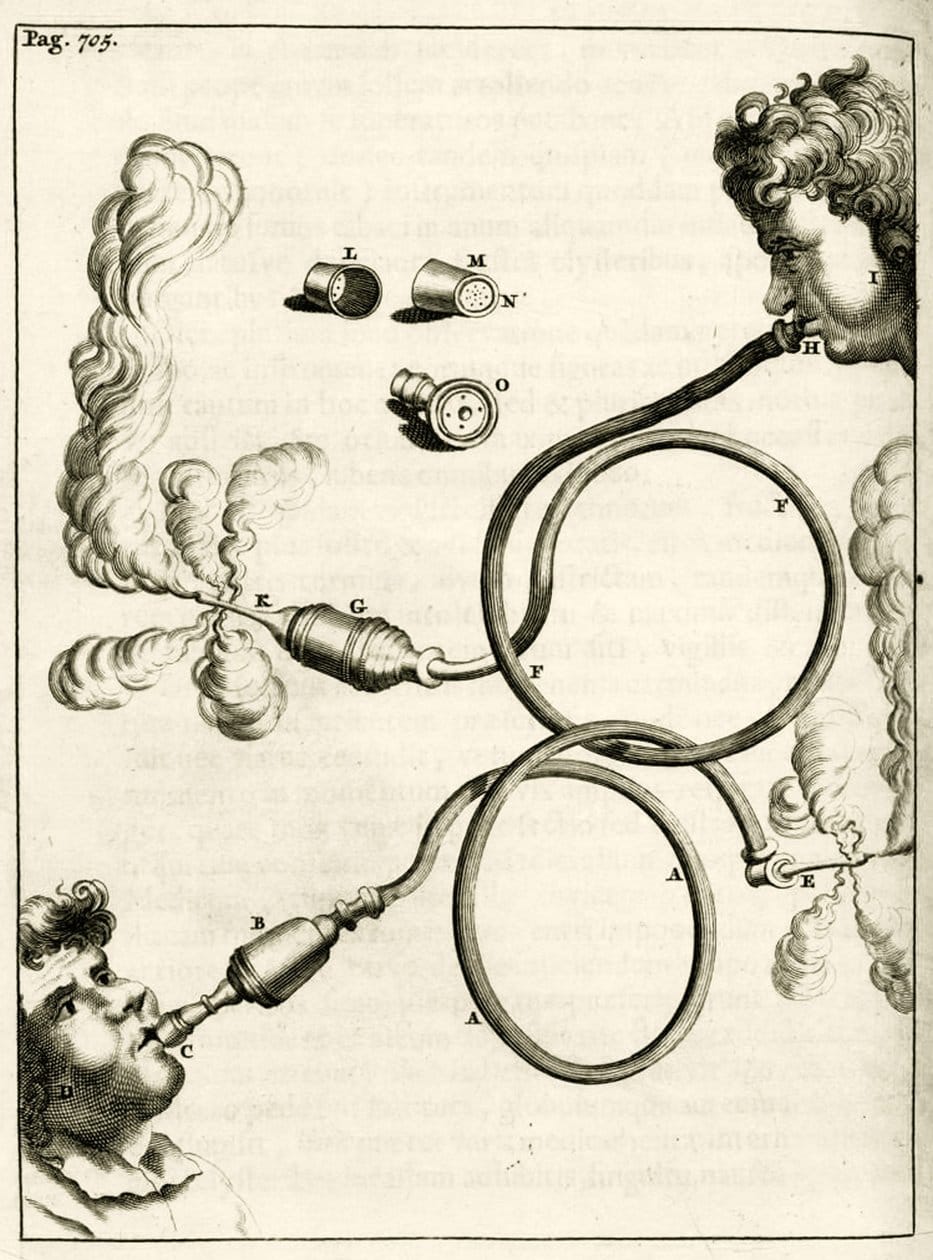
The Royal Humane Society, founded in 1774, even installed resuscitation kits along the River Thames containing bellows and tobacco specifically for this purpose. The practice was based on the belief that tobacco's warming properties and stimulant effects could "shock" a drowned person back to life. Whilst this seems absurd today, it represented a genuine attempt to address a pressing public health problem with the medical knowledge available at the time.
The practice remained relatively common until the early 19th century, when medical understanding advanced and revealed that tobacco smoke enemas were not only ineffective but potentially harmful.
The Birth of Modern Mouth-to-Mouth Resuscitation
The real breakthrough came in the 1950s. Dr. James Elam and Dr. Peter Safar independently demonstrated that exhaled air contains sufficient oxygen to sustain life. Their research proved that mouth-to-mouth resuscitation was far more effective than previously used methods such as pressing on the victim's chest or moving their arms.
In 1956, Dr. Elam successfully used mouth-to-mouth resuscitation to save a person's life, providing concrete evidence of the technique's effectiveness. Dr. Safar built upon this work, developing and promoting what he called "cardiopulmonary resuscitation" or CPR.
Chest Compressions: The Missing Piece
Whilst mouth-to-mouth addressed the breathing component, hearts that had stopped beating required a different intervention. In 1960, engineers William Kouwenhoven, James Jude, and surgeon G. Guy Knickerbocker published research demonstrating that external chest compressions could maintain blood circulation.
By combining chest compressions with rescue breaths, modern CPR was born. This two-pronged approach addressed both circulation and oxygenation, dramatically improving survival rates for cardiac arrest victims.
The Shift to Hands-Only CPR: Making Resuscitation More Accessible
Despite CPR's proven effectiveness, research in the late 20th and early 21st centuries revealed a troubling problem: many bystanders hesitated to perform CPR, or didn't perform it at all. Studies showed that concerns about performing mouth-to-mouth resuscitation—including fear of disease transmission, lack of confidence in the technique, and reluctance to make intimate contact with strangers—created a significant barrier to intervention.
In response, researchers began investigating whether chest compressions alone could be effective. Ground-breaking studies in the 2000s demonstrated that for witnessed cardiac arrests in adults, continuous chest compressions without rescue breaths produced comparable outcomes to traditional CPR. The compressions themselves create enough air movement to provide minimal oxygenation, and maintaining continuous blood circulation proved to be the most critical factor in the first few minutes of cardiac arrest.
This evidence led to a revolutionary change in public health guidance. In 2008, the American Heart Association officially endorsed hands-only CPR for untrained bystanders or those unwilling to provide rescue breaths. The Resuscitation Council UK followed with similar guidance, recognising that any attempt at CPR was better than none. The simplified technique, calling 999, then pushing hard and fast in the centre of the chest, proved far easier to teach and remember, dramatically increasing the likelihood that bystanders would take action in an emergency.
This guidance applies primarily to sudden cardiac arrest in adults; other situations, such as drowning or cardiac arrest in children, may require different approaches taught as part of formal first aid training.
The introduction of hands-only CPR represented a pragmatic acknowledgment that perfect technique should not be the enemy of potentially life-saving action. For community first aiders and members of the public, this simplified approach removed psychological barriers whilst maintaining effectiveness, particularly for the most common scenario: sudden cardiac arrest in adults.
CPR in the Modern Era: Standardisation and Training
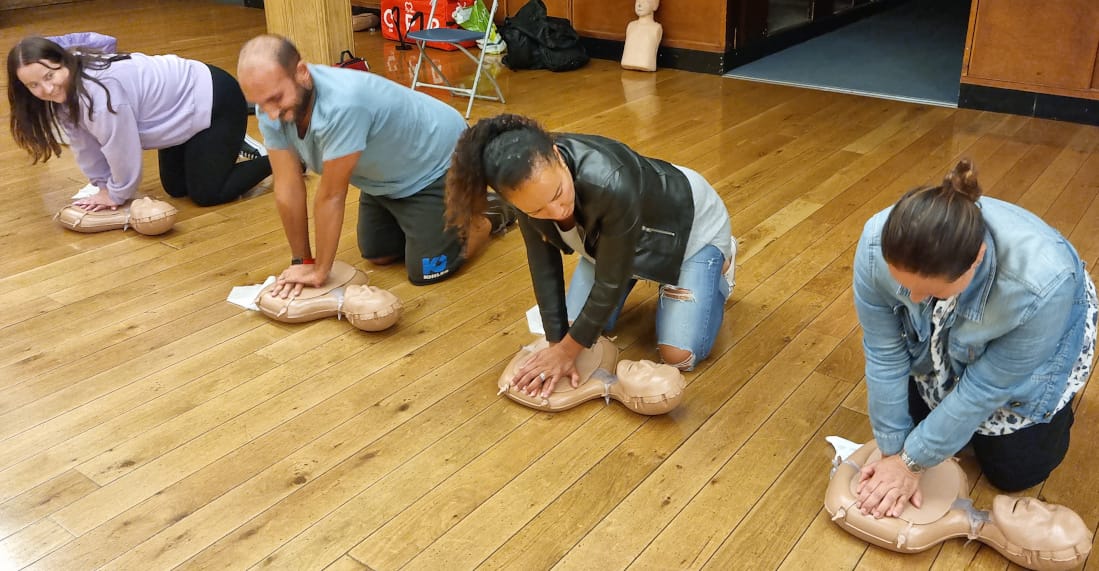
Today, CPR training is widely recognised as an essential skill. Modern techniques have evolved based on continuous research, with current guidelines emphasising high-quality chest compressions, minimal interruptions, and the use of automated external defibrillators (AEDs).
In the UK, first aid training is delivered under several recognised regulatory and quality-assurance frameworks. While Ofqual regulates formal qualifications, many workplace first aid courses are overseen by recognised industry bodies such as the First Aid Industry Body (FAIB), ensuring training meets accepted national standards.
Organisations like Constellation Training provide comprehensive CPR and first aid courses that reflect the latest evidence-based practices, a far cry from the tobacco smoke enemas of centuries past.
Why CPR Training Matters Today
The history of CPR reminds us how far medical science has progressed. What began as desperate, often misguided attempts to revive the dying has evolved into a systematic, evidence-based technique that saves thousands of lives every year.
Yet despite CPR's proven effectiveness, many people still feel unprepared to perform it in an emergency. Research shows that bystander CPR significantly improves survival rates, but hesitation due to lack of training remains a barrier.
Proper training builds confidence and competence. Understanding the correct compression depth, rate, and ratio of compressions to breaths can make the difference between life and death. Modern CPR courses also cover how to recognise cardiac arrest, when to call emergency services, and how to use an AED, skills that complement the basic technique.
From Historical Curiosity to Essential Skill
The journey from tobacco smoke enemas to modern CPR demonstrates humanity's persistent drive to preserve life. Whilst we might chuckle at our ancestors' misguided methods, they were working with the best knowledge available to them, driven by the same impulse that motivates first aid training today: the desire to help when someone's life hangs in the balance.
Constellation Training offers a range of first aid qualifications, including comprehensive CPR training that equips individuals and organisations with current, evidence-based life-saving skills. Whether you're looking to fulfil workplace requirements or simply want to be prepared for emergencies, understanding CPR is one of the most valuable skills you can develop.
After all, you never know when you might be called upon to save a life – and thankfully, tobacco smoke won't be involved.