
The Evolution of First Aid for Mental Health: From Asylums to Understanding
Mental Health First Aid is a relatively new concept built on a long and often troubling history. This article explores how our approach to mental health has evolved from asylums and institutionalisation to modern, evidence-based mental health first aid in today’s workplaces.

I’ve been teaching first aid for many years, but during lockdown I made a deliberate decision to expand my courses to include First Aid for Mental Health. It quickly became clear that this was not an optional addition, but an essential one.
In my experience, people rarely need to use their physical first aid skills. Mental health first aid, however, is needed far more often, in workplaces, in homes, and in everyday life. Distress, anxiety, burnout, and crisis are not rare events. They are regular, human experiences, and too often people don’t know how to respond when they encounter them.
I believe strongly that First Aid for Mental Health should be a standard requirement for all medium and large organisations, and arguably for any workplace with employees at all. The impact on wellbeing, confidence, and early support would be profound.
When someone breaks their leg, we know to call for help and provide immediate support. But what happens when someone experiences a mental health crisis? For most of history, the answer was often silence, stigma, or worse.
The concept of first aid for mental health, providing immediate, compassionate support to someone experiencing psychological distress, is a relatively recent development in a long and often troubling history.
Let’s explore how our understanding and response to mental health crises has evolved, from ancient misconceptions to today’s evidence-based mental health first aid approaches.
Ancient and Medieval Attitudes: Spirits, Demons, and Misunderstanding
For thousands of years, mental illness was poorly understood and often attributed to supernatural causes. Ancient civilisations believed mental disturbances resulted from possession by demons or divine punishment. “Treatment” ranged from prayer and exorcism to trepanning, drilling holes in the skull to release evil spirits.
The ancient Greeks made early attempts at more rational explanations. Hippocrates proposed that mental illness stemmed from imbalances in bodily “humours” rather than supernatural forces. Whilst this theory was incorrect, it represented an important shift towards viewing mental distress as a medical rather than spiritual issue.
Throughout the medieval period, however, superstition largely prevailed. Those experiencing mental health crises were frequently feared, ostracised, or subjected to brutal “treatments” designed to drive out demonic influences.
The Asylum Era: Institutionalisation and Its Failures
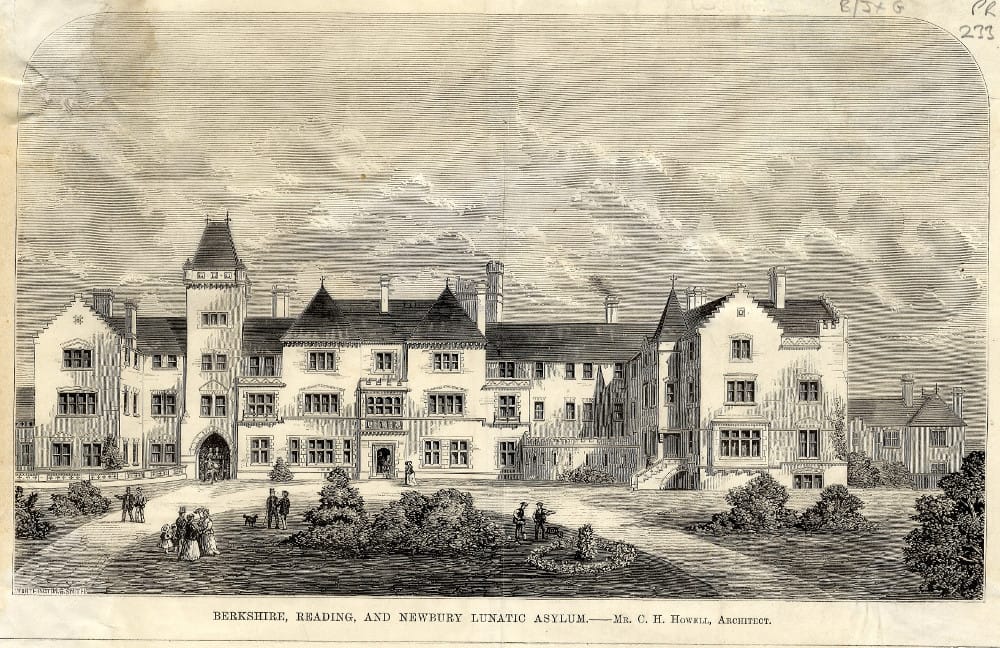
The 18th and 19th centuries saw the rise of asylums, institutions designed to house those with mental illness. Initially presented as humane alternatives to imprisonment or abandonment, asylums quickly became overcrowded warehouses where patients were often subjected to neglect, abuse, and experimental treatments.
Conditions in many Victorian asylums were appalling. Patients were restrained, isolated, and subjected to practices we now recognise as deeply harmful: ice baths, induced seizures, and later, indiscriminate lobotomies. The asylum system was built on a fundamental misunderstanding, that mental illness required permanent separation from society rather than treatment and support.
Yet this dark period also contained seeds of progress. Reformers such as Dorothea Dix campaigned for better conditions, whilst pioneers like Philippe Pinel advocated for “moral treatment”, a more humane approach emphasising compassion and understanding over restraint and punishment.
The Deinstitutionalisation Movement: A Shift to Community Care
The mid-20th century brought dramatic change. The discovery of psychiatric medications in the 1950s offered new treatment possibilities, whilst growing awareness of abusive institutional conditions sparked public outcry. Mental health advocates increasingly argued that people with mental illness could and should be supported within their communities rather than locked away.
The 1960s and 1970s saw widespread deinstitutionalisation across Western countries, including the UK. Large psychiatric hospitals began closing, driven by the vision that community-based services would provide more dignified and effective care.
However, this transition was far from smooth. Community mental health services were often under-funded and under-resourced. Many people who would once have been institutionalised found themselves homeless or in the criminal justice system. Society had begun to recognise that locking people away wasn’t the answer — but had not yet developed effective, accessible alternatives for early intervention and crisis support.
The Birth of Mental Health First Aid: A Revolutionary Concept
A major breakthrough came in 2000, when Betty Kitchener, a nurse and mental health consumer, and Tony Jorm developed Mental Health First Aid (MHFA) in Australia.
Their insight was elegantly simple: if ordinary people are trained in physical first aid to provide immediate help before professional support arrives, why shouldn’t the same principle apply to mental health?
The original MHFA programme taught participants to:
- Recognise the signs and symptoms of common mental health problems
- Provide initial, practical support
- Guide individuals towards appropriate professional help
- Respond appropriately to mental health crises
This approach was revolutionary because it democratised mental health support. You didn’t need to be a clinician to make a difference, you needed knowledge, compassion, and the confidence to act.
Global Expansion and Recognition
Mental Health First Aid spread rapidly. By 2005 it had reached the UK, with programmes subsequently launching across Europe, North America, and Asia. Governments and organisations recognised that mental health first aid could help bridge the critical gap between crisis onset and professional intervention.
Evidence supported its effectiveness. Research consistently showed that mental health first aid training:
- Increases mental health literacy
- Reduces stigma
- Improves confidence in offering support
- Encourages earlier access to professional help
In the UK, mental health first aid has increasingly been adopted within workplace health and wellbeing frameworks. Just as organisations recognise the importance of physical first aid provision, many now acknowledge the value of trained individuals who can offer initial mental health support.
The Evolution Continues: Modern Approaches
Today’s mental health first aid training has evolved significantly from the original Australian model. Modern programmes, including those delivered through awarding organisations such as Nuco Training, reflect current evidence and best practice.
Key developments include:
Evidence-Based Frameworks
Training is grounded in robust research about what genuinely helps during mental health crises, moving beyond well-intentioned but unproven approaches.
Trauma-Informed Care
Modern courses recognise the impact of trauma and adverse experiences, understanding that many crises do not occur in isolation.
Cultural Competency
There is increased emphasis on how mental distress may be experienced and expressed differently across cultures, communities, and individuals.
Workplace-Specific Applications
Specialist training addresses the realities of workplace mental health, including stress, burnout, confidentiality, and appropriate boundaries.
Recognised Standards
Ofqual-regulated qualifications, such as those awarded by Nuco, ensure that qualifications meet recognised educational standards and are kept current with evolving best practice.
Beyond Crisis Response: Prevention and Wellbeing
Modern mental health first aid now extends beyond responding to acute crises. Training increasingly focuses on prevention and sustained wellbeing, including:
- Creating psychologically safe environments
- Identifying concerns early
- Supporting ongoing wellbeing, not just emergencies
- Signposting to appropriate resources and support networks
- Challenging stigma in everyday conversations
This reflects a broader understanding that mental health first aid is about culture as much as crisis response.
From Asylums to Empowerment: A Remarkable Journey
The journey from asylums to mental health first aid represents a profound shift in societal attitudes. Where once people were isolated and feared, we now equip ordinary individuals to offer informed, compassionate support. Where treatment was once confined to institutions, we now recognise the vital role of communities, workplaces, and peers.
This progress did not happen by accident. It required advocacy, research, policy change, and a cultural move towards openness and understanding. Mental health first aid is both a product of that progress and a driver of continued change.
At a time when workplace stress, burnout, and mental health-related absence are at historic highs, the ability for people to recognise distress and respond appropriately has never been more important.
Supporting Mental Wellbeing Today
Constellation Training’s Nuco-regulated First Aid for Mental Health qualifications are part of this ongoing evolution. They provide current, evidence-based training designed to reflect how mental health support works in real-world settings — particularly in the workplace.
Whether for organisational responsibility or personal development, mental health first aid training equips people with skills that previous generations desperately needed but rarely possessed.
After all, mental health crises don’t arrive with sirens or flashing lights. They happen in offices, homes, and communities, and the first person to help is often someone without professional training, who simply cared enough to learn what to do.
Looking to develop mental health first aid skills for yourself or your organisation?
Explore Constellation Training’s range of Nuco First Aid for Mental Health qualifications, regulated by Ofqual and designed to equip people with practical, evidence-based skills for supporting mental wellbeing.